A Knight of the Seven Kingdoms HBO Unveils Westeros Power Dynamics
Table of Contents
- A Knight of the Seven Kingdoms: Thematic and Political Foundations in Game of Thrones
- Knighthood as a Political and Social Mirror in Westeros
- Evolution of Knighthood Across Seasons: Shifts in Power and Identity
- Ideals of Knighthood in Westeros vs. Medieval Chivalric Codes: A Comparative Table
- Critique of Knighthood Through Character Failures and Institutional Corruption
- The Symbolism and Visual Storytelling Behind A Knight of the Seven Kingdoms
- Heraldry as Identity and Conflict
- Armor and Weaponry as Narrative Devices
- Color Theory and Factional Perception
- Soundtrack and Set Design as Extensions of Symbolism
- Recurring Motifs Linked to the Title
- Knighthood in Game of Thrones : Power, Corruption, and Moral Ambiguity
- The Duality of Knighthood: Noble Ideals vs. Brutal Realities
- Weaponizing Knighthood: Propaganda and Political Control
- Knighthood in Game of Thrones vs. Other Fantasy Franchises
- Pivotal Scenes: When Knighthood is Uphold or Betrayed
- Redefining Knighthood: Women and the Challenge to Gender Roles
- The Political and Historical Context of Knighthood in Westeros: A Mirror to Medieval Europe
- Chivalric Orders, Feudalism, and the Church’s Influence in Westeros
- Key Locations Tied to Knighthood and Their Strategic Importance
- Knighthood as a Tool for Succession, Diplomacy, and Rebellion
- Regional Variations in Knighthood: A Comparative Analysis
- Fan Theories, Interpretations, and Unanswered Questions About A Knight of the Seven Kingdoms
- Hidden Meanings in Heraldry and Prophecies Tied to Knighthood
- Unanswered Questions About the Title’s Role in the Series
- Cultural and Linguistic Interpretations of the Title
- Flowchart: Interconnected Characters, Events, and Symbols Tied to the Title
- Beyond Game of Thrones : The Influence of A Knight of the Seven Kingdoms on Pop Culture and Media
- Fan Fiction, Cosplay, and Role-Playing Games as Creative Reinterpretations
- Comparative Analysis: Knighthood in House of the Dragon , The Last Kingdom , and Other Fantasy Media
- Themes of Honor, Duty, and Betrayal in Modern Media
- Merchandising and Collectibles: The Cultural Significance of A Knight of the Seven Kingdoms Memorabilia
Game of Thrones did not merely introduce characters and battles—it crafted a world where titles like A Knight of the Seven Kingdoms became weapons, ideals, and curses. Beneath the glittering armor and regal sigils lay a brutal truth: knighthood in Westeros was never just about honor. It was a fragile construct, constantly tested by war, betrayal, and the weight of legacy. From Ned Stark’s unwavering duty to Joffrey’s twisted parody of chivalry, the title became a mirror reflecting the series’ core themes—power, corruption, and the illusion of nobility. The HBO masterpiece wove this concept into every season, transforming knighthood from a romanticized fantasy into a stark commentary on institutional decay.
The phrase A Knight of the Seven Kingdoms was more than a ceremonial honor; it was a narrative device that evolved alongside the show’s political landscape. As alliances fractured and kingdoms crumbled, the ideals of knighthood—loyalty, sacrifice, and justice—were repeatedly shattered, only to be pieced back together in unexpected forms. Behind every crest and oath lay a story of moral ambiguity, where even the most virtuous knights faced impossible choices. The title’s cultural resonance extended beyond Westeros, sparking debates on leadership, gender roles, and the cost of upholding outdated traditions. By dissecting its symbolic weight, visual storytelling, and real-world parallels, we uncover how Game of Thrones redefined what it meant to be a knight in a world where honor was often the first casualty of war.

A Knight of the Seven Kingdoms: Thematic and Political Foundations in Game of Thrones

The phrase "A Knight of the Seven Kingdoms" transcends its literal meaning in Game of Thrones, serving as a symbolic cornerstone that encapsulates the series’ exploration of power, morality, and institutional decay. Coined by Ned Stark in Season 1, Episode 1 ("Winter Is Coming"), the title reflects the idealized yet fractured nature of knighthood in Westeros—a system steeped in medieval chivalric traditions but constantly undermined by political maneuvering, personal ambition, and systemic corruption. The title’s resonance lies in its duality: it evokes both the aspirational virtues of honor, duty, and justice while exposing the hypocrisy and brutality that often define its practitioners. Through key characters like Ned Stark, Jon Snow, and Daenerys Targaryen, the series dissects how knighthood functions as both a shield and a weapon in a world where loyalty is a currency and survival often demands betrayal.
The phrase’s introduction in "Winter Is Coming" sets the tone for Ned Stark’s moral compass, as he refuses to bend the knee to Robert Baratheon’s tyranny, declaring, "I am the Lord of Winterfell, and I owe no man my counsel, not even a king." This defiance, rooted in the ideals of knighthood, contrasts sharply with the Baratheon dynasty’s corrupt rule, where titles are bought with blood and power is wielded through fear. The title thus becomes a narrative device to highlight the tension between personal integrity and political expediency—a theme that evolves as characters grapple with their identities as knights in a world that increasingly rejects chivalry.
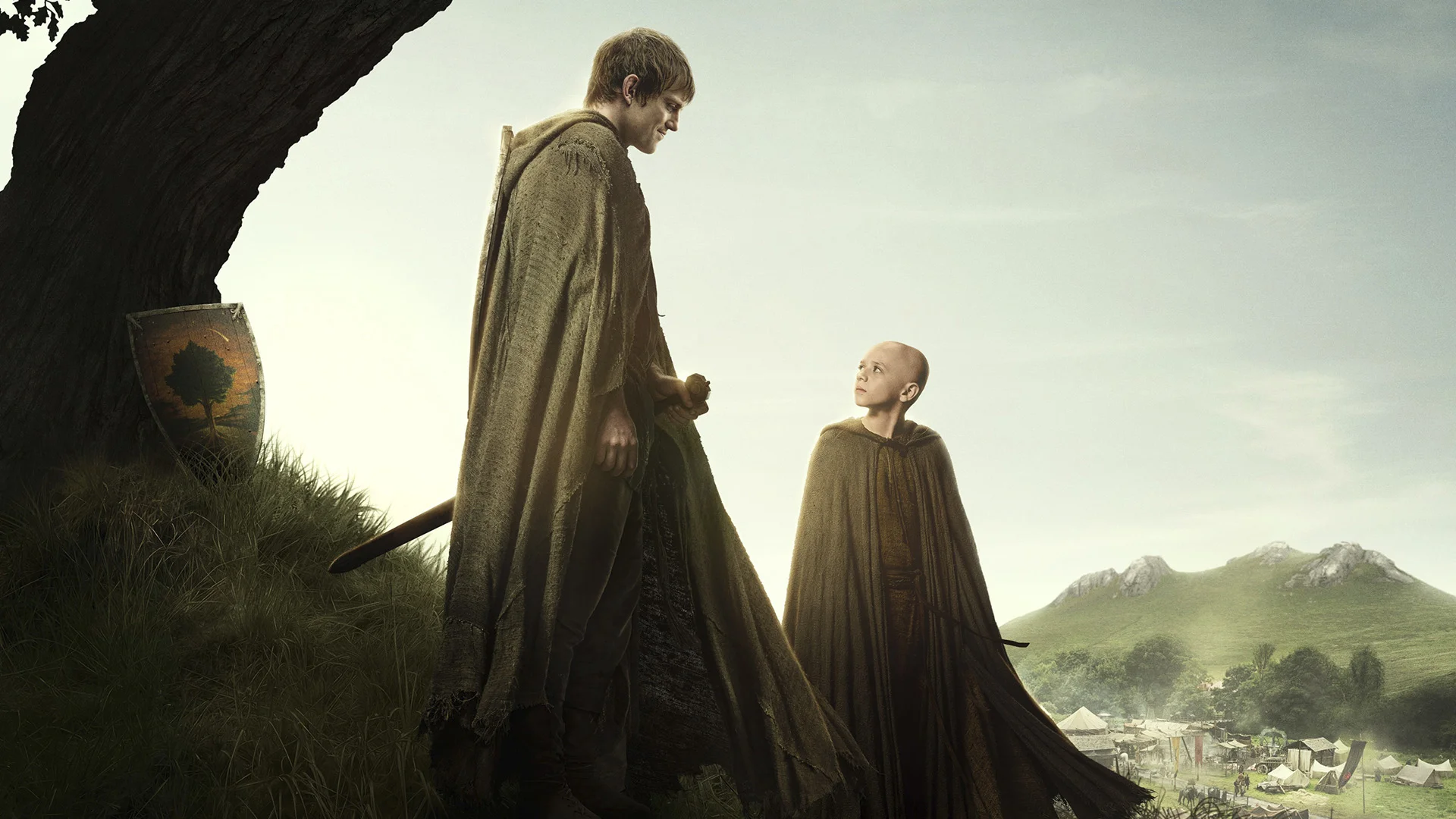
Knighthood as a Political and Social Mirror in Westeros
The concept of knighthood in Game of Thrones is not merely aesthetic; it serves as a prism through which the series examines the social hierarchies and power structures of Westeros. The Seven Kingdoms, each with its own history and values, present a fragmented vision of knighthood, where regional identities shape how honor and duty are interpreted. For instance, the North’s emphasis on independence and justice, embodied by the Night’s Watch, clashes with the South’s aristocratic decadence, epitomized by figures like Joffrey Baratheon, who weaponizes knighthood as a tool of oppression. This regional divergence underscores how knighthood is a malleable institution, adaptable to the needs of those in power.
Key scenes illustrate this dynamic: - Ned Stark’s Execution: His refusal to pledge fealty to Joffrey, despite being a knight, underscores the fatal consequences of upholding ideals in a corrupt system. His final words—"The realm always comes first"—are a bitter irony, as his execution proves that loyalty to the realm is meaningless without protection from those in power. - Jon Snow’s Redemption: His journey from an illegitimate bastard to a leader who embodies the Night’s Watch’s oath ("I am the sword in the darkness") redefines knighthood as a selfless act of service rather than a tool of political gain. His leadership during the Battle of the Bastards ("The living for the living") reasserts the moral core of knighthood, even as the institution itself is in decline. - Daenerys Targaryen’s Transformation: Her evolution from a broken girl to a conqueror mirrors the series’ critique of knighthood’s fragility. Initially, she seeks justice for the oppressed, but her descent into tyranny ("I am the mother of dragons") reveals how easily ideals can curdle into cruelty when unchecked by accountability.
The title "A Knight of the Seven Kingdoms" thus functions as a litmus test for character integrity, exposing how few truly embody its virtues without compromise.
Evolution of Knighthood Across Seasons: Shifts in Power and Identity
The portrayal of knighthood in Game of Thrones undergoes a marked transformation, reflecting the series’ progression from a medieval fantasy to a brutal, modern allegory. Early seasons emphasize the romanticized aspects of knighthood, particularly through Ned Stark’s unwavering moral code and Robb Stark’s initial idealism. However, as the series advances, the institution is increasingly stripped of its idealism, revealing its role in perpetuating cycles of violence and oppression.
A comparative analysis of knighthood’s depiction across seasons: - Seasons 1–3: Knighthood is portrayed as an aspirational ideal, with characters like Ned Stark, Robb Stark, and even Tyrion Lannister (in his early seasons) grappling with its ethical dilemmas. The Trial of the Pyre (Season 2) and Robb’s decision to marry Talisa (Season 3) highlight the tension between personal honor and political survival. - Seasons 4–6: The institution is exposed as a facade, with figures like Joffrey, Gregor Clegane, and even Jaime Lannister (post-Red Wedding) embodying its corruption. The Night’s Watch, once a noble order, is reduced to a dying relic, its members treated as expendable by the very kingdoms they swore to protect. - Seasons 7–8: Knighthood is either redefined (Jon Snow’s leadership) or discarded entirely (Daenerys’s descent into madness). The final seasons suggest that true knighthood lies not in titles or oaths but in actions—such as Bran Stark’s acceptance of the throne or Sansa’s political maneuvering—that transcend traditional definitions.
This evolution mirrors real-world historical shifts, where chivalric codes were gradually replaced by mercenary cultures and state-sponsored violence.
Ideals of Knighthood in Westeros vs. Medieval Chivalric Codes: A Comparative Table
The ideals of knighthood in Game of Thrones draw heavily from medieval chivalric traditions but adapt them to fit the series’ darker themes. Below is a table comparing the two, highlighting parallels and contradictions:
| Aspect | Medieval Chivalric Codes (Real-World) | Knighthood in Game of Thrones | Contradictions/Parallels |
|---|---|---|---|
| Loyalty | Absolute fealty to a liege lord, often divine or monarchical. | Often tested by personal morality (e.g., Ned’s refusal to Joffrey). | Medieval loyalty was rigid; in GoT, it is frequently betrayed (e.g., Littlefinger, Varys). |
| Honor | Defined by personal virtue, often tied to religious piety. | Frequently weaponized (e.g., Cersei’s use of "justice" to kill Tyrion). | Medieval honor was aspirational; in GoT, it is a tool of manipulation. |
| Justice | Upholding moral and legal standards, often tied to feudal law. | Selective and politicized (e.g., Daenerys’s liberation vs. her later tyranny). | Medieval justice was hierarchical; in GoT, it is chaotic and subjective. |
| Courage | Bravery in battle, often tied to glory and God’s will. | Often suicidal (e.g., Jon Snow’s repeated near-death experiences). | Medieval courage was communal; in GoT, it is frequently isolated and self-sacrificial. |
| Mercy | Extended to enemies, often as a religious duty. | Rare and conditional (e.g., Tyrion’s mercy toward Shae vs. his ruthlessness toward Tywin). | Medieval mercy was idealized; in GoT, it is a luxury few can afford. |
| Chastity | A vow of purity, often tied to monastic or religious orders. | Rarely upheld (e.g., Jaime’s affair with Cersei, Sandor’s promiscuity). | Medieval chastity was enforced; in GoT, it is either ignored or weaponized (e.g., Sansa’s rape as political tool). |
This table reveals how Game of Thrones subverts medieval chivalry, presenting knighthood as a flawed and often hypocritical institution.
Critique of Knighthood Through Character Failures and Institutional Corruption
The series employs character failures to dismantle the mythos of knighthood, exposing how easily ideals corrode under pressure. Figures like Joffrey Baratheon and Gregor Clegane represent the dark side of knighthood—where titles confer no moral authority, and power is wielded through cruelty. Joffrey’s reign is a masterclass in how knighthood can be perverted: he uses the trappings of nobility (tournaments, feasts) to mask his sadism, while his execution of Ned Stark is framed as "justice" by his sycophants. Similarly, Gregor Clegane’s knighthood is a mockery, as he embodies the "Mountain That Rides" moniker through sheer brutality, devoid of any chivalric virtues.
The series’ critique extends to the Night’s Watch, once a noble order, now reduced to a dying institution
The Symbolism and Visual Storytelling Behind A Knight of the Seven Kingdoms
The title A Knight of the Seven Kingdoms carries layers of visual and symbolic depth, embedding itself into Game of Thrones as a metaphor for honor, power, and the fragile nature of chivalry in a world teetering on chaos. Beyond its literal reference to the medieval institution of knighthood, the title functions as a visual and narrative framework, reinforcing character arcs, factional identities, and thematic conflicts. Heraldry, armor, and recurring motifs become extensions of political and moral struggles, while color theory and set design amplify the tension between ideals and reality. The imagery of knighthood in the series is not static; it evolves alongside its characters, reflecting their rise, fall, or corruption, and serving as a silent witness to the wars that define Westeros.
Heraldry as Identity and Conflict
Heraldry in Game of Thrones transcends mere decoration—it becomes a language of power, allegiance, and defiance. The direwolf sigil of House Stark, a creature tied to the old gods and the wild, contrasts sharply with the golden lion of House Lannister, symbolizing wealth, pride, and the sun. The direwolf’s howl in the opening credits establishes the Stark family’s connection to nature and the supernatural, while the lion’s roar in Lannister scenes underscores their ruthless ambition. This visual dichotomy is reinforced through costume and set design: Stark armor often features darker, more practical tones (black, gray, and silver), while Lannister regalia gleams in gold and crimson, mirroring their opulence and cunning.
The Night’s Watch’s white cloak with its black wolf head serves as a third symbolic force—neither noble nor villainous, but bound by duty. Its stark monochrome design emphasizes isolation and sacrifice, a visual reminder of their oath to protect the realm beyond the Wall. Conversely, the Targaryen’s three-headed dragon represents conquest and divine right, its red-and-black colors evoking fire and blood. When Daenerys Targaryen reclaims her sigil in Season 4, the dragon’s imagery shifts from myth to tangible power, signaling her transformation from exiled princess to would-be queen.
Key examples of heraldry in conflict: - The Red Wedding (Season 3, Episode 9): The Stark direwolves—Ghost, Lady, Nymeria, Viserion, and Shagga—are slaughtered alongside their owners. Their deaths symbolize the extinction of the Stark legacy in the North, with their howls in the credits becoming silent, reinforcing the betrayal’s brutality. - Joffrey’s Coronation (Season 3, Episode 10): The Lannister lion is prominently displayed on the throne room banners, while the Stark, Baratheon, and Arryn sigils are absent or defaced, visually erasing their rivals’ legitimacy. - The Battle of the Bastards (Season 6, Episode 9): Jon Snow’s white direwolf, Ghost, stands beside him, while Ramsay Bolton’s black direwolf, Lady, is later killed by Jon. The wolves’ colors—white for justice, black for tyranny—mirror the moral stakes of the battle.
Armor and Weaponry as Narrative Devices
The craftsmanship and evolution of armor and weapons in Game of Thrones reflect the wearers’ moral and political trajectories. Plate armor, once a symbol of nobility and protection, often becomes a burden or a target for corruption. For instance: - Jaime Lannister’s greatsword, Longclaw, is initially a tool of his father’s will but later becomes a weapon of his redemption. Its name—derived from the Valyrian phrase for "long sword"—hints at its ancient, almost cursed nature, foreshadowing Jaime’s arc from traitor to reluctant hero. - Ned Stark’s Valyrian steel sword, Ice, is passed to Jon Snow, symbolizing legacy and duty. Its ice-blue hue and unbreakable nature contrast with the rusted, lesser steel of other blades, reinforcing the Stark ideal of unyielding honor. - The Night’s Watch’s black armor is deliberately unadorned, emphasizing their rejection of nobility. Yet, when Jon Snow dons the black, it marks his commitment to the Watch, even as his lineage complicates that identity.
Broken or shattered weapons serve as recurring motifs for downfall: - Arya Stark’s Needle is broken in Season 5 after she kills Walder Frey, a moment that visually and emotionally shatters her vengeance-driven journey. - The Horn of Winter (a Stark heirloom) is destroyed by Theon Greyjoy in Season 3, symbolizing the erosion of Stark authority in the North. - The Lannister sigil on armor is often scratched or defaced post-Red Wedding, visually stripping the Lannisters of their perceived invincibility.
The evolution of Daenerys’ weapons mirrors her transformation: - Her initial Valyrian steel daggers (gifts from Illyrio Mopatis) represent her claim to power, but they are later lost or discarded as she embraces fire and dragons. - Her Dragonbone sword in Season 8 is a weapon of conquest, its jagged edges reflecting her growing ruthlessness.
Color Theory and Factional Perception
Color in Game of Thrones is not merely aesthetic—it shapes audience perception of factions and their ideologies. The silver-and-black palette of the Night’s Watch evokes coldness, duty, and death, reinforcing their role as guardians against the supernatural. In contrast, the gold-and-crimson of the Lannisters suggest wealth and bloodshed, aligning with their political machinations. The red-and-black of the Targaryens symbolize fire and darkness, while the blue-and-silver of House Arryn represent loyalty and sky, though their sigil’s eagle often appears isolated, mirroring their geographical and political marginalization.
Key color motifs in knighthood: - White (e.g., Jon Snow’s armor, the Faceless Men’s masks) signifies purity or deception, depending on context. Jon’s white cloak becomes a target for both admiration and suspicion. - Black (e.g., the Night’s Watch, the White Walkers) represents death, but also resilience—black armor survives where flesh does not. - Gold (Lannister, Tyrell) connotes power but also corruption, as seen in the golden throne of the Iron Throne, which is stained with blood. - Gray (Stark, Baratheon) suggests neutrality or pragmatism, though it often masks grief (e.g., Catelyn Stark’s gray dress after Robb’s death).
The costumes of the Small Council further emphasize this: - Tywin Lannister’s purple-and-gold robes reflect his authority as Hand of the King, while Petyr Baelish’s black-and-red hint at his duplicity. - Melisandre’s red dress aligns with her role as a prophet of fire, while Stannis Baratheon’s black-and-gold signal his rigid, almost fanatical devotion to duty.
Soundtrack and Set Design as Extensions of Symbolism
The soundtrack and score by Ramin Djawadi amplify the visual symbolism of knighthood. The horn motifs (e.g., the Horn of Winter, the Horn of the Kingswood) are tied to calls to battle and legacy, while the direwolf howls in the credits evoke loyalty and loss. In Season 6, the soft, mournful strings accompanying Jon Snow’s journey to the Night’s Watch contrast with the heavy brass used during battles, reinforcing the weight of his choices.
Set design further embeds symbolic meaning: - The Great Sept of Baelor’s stained-glass windows depict saints and martyrs, mirroring the Stark and Baratheon narratives of sacrifice. - The Red Keep’s opulent halls are lined with Lannister banners, while the Night’s Castle’s bare stone walls emphasize austerity. - Dragonstone’s crumbling halls reflect the Targaryens’ fallen glory, with Daenerys’ throne room shifting from decay to fire-washed grandeur as her power grows.
The Iron Throne itself is a symbol of knighthood’s corruption—a seat of power forged from the swords of defeated enemies, its spikes representing the violence inherent in claiming the throne. When Bran Stark sits upon it in Season 8, the camera angles emphasize its weight, suggesting that true leadership may lie in breaking the cycle of bloodshed rather than perpetuating it.
Recurring Motifs Linked to the Title
Several visual and narrative motifs recur throughout the series, reinforcing the themes tied to A Knight of the Seven Kingdoms:
The broken sword appears in critical moments: - Ned Stark’s execution (*Season
Knighthood in Game of Thrones: Power, Corruption, and Moral Ambiguity
The concept of knighthood in Game of Thrones transcends its medieval origins, evolving into a complex symbol of duality—where honor and corruption coexist, and ideals are often weaponized for control. Unlike traditional fantasy narratives where knighthood represents unyielding virtue, George R.R. Martin’s world dissects the institution with surgical precision, exposing its fragility and hypocrisy. Characters like Jaime Lannister and Brienne of Tarth embody this paradox: one a fallen knight whose redemption is as brutal as his past, the other a self-made warrior whose journey redefines the very essence of knighthood beyond gendered constraints. The title A Knight of the Seven Kingdoms becomes a tool of manipulation, wielded by figures like Cersei Lannister and Stannis Baratheon to legitimize their rule, while the series contrasts it with the raw, unfiltered realities of war and survival. This exploration examines how Game of Thrones subverts fantasy tropes, using knighthood as a lens to critique power structures, gender norms, and the psychological toll of idealism in a morally gray world.
The Duality of Knighthood: Noble Ideals vs. Brutal Realities
Knighthood in Game of Thrones is not a monolith but a fractured mirror reflecting the contradictions of its bearers. The institution’s foundational principles—loyalty, honor, and protection of the weak—are repeatedly shattered by the harsh realities of Westeros’ political landscape. Jaime Lannister’s arc exemplifies this duality. Once a paragon of the Kingsguard, his knighthood is stripped away after killing the Mad King Aerys II, only to be restored by Tyrion, revealing how the title is less about merit and more about who holds power. His internal struggle—between his love for Cersei and his growing disillusionment with the Lannister regime—highlights the psychological cost of upholding a corrupt system. Meanwhile, Brienne of Tarth, a sworn shield of Renly and later Jon Snow, embodies the idealistic yet pragmatic face of knighthood. Her journey from a disgraced knight of the Reach to a respected warrior in the North underscores how knighthood in this world is earned through action, not birthright.
The series dismantles the romanticized notion of knighthood by grounding it in visceral, often grotesque, realities. Battles like the Red Wedding or the Battle of the Blackwater are not glorified; they are chaotic, messy, and devoid of chivalry. Even Ned Stark, the archetypal honorable knight, meets his end not in a heroic last stand but through political machinations, his execution by Joffrey a stark reminder that knighthood offers no protection against the whims of power. The contrast between Ned’s rigid moral code and Jaime’s flawed redemption illustrates how Game of Thrones redefines knighthood as a personal, evolving journey rather than a rigid set of rules.
Weaponizing Knighthood: Propaganda and Political Control
In Game of Thrones, the title of knight is frequently repurposed as a tool of propaganda, used to legitimize tyranny and suppress dissent. Cersei Lannister’s manipulation of the Kingsguard exemplifies this strategy. By surrounding herself with elite knights—Jaime, Sandor Clegane, and later Loras Tyrell—she leverages their prestige to reinforce her authority, despite her own moral bankruptcy. The Kingsguard, once an order dedicated to protecting the realm, becomes a gilded cage for her ambitions, with members like Jaime trapped between loyalty to their oaths and their personal ties to Cersei. Similarly, Stannis Baratheon’s puritanical rule in the Riverlands weaponizes knighthood to enforce his rigid interpretation of justice. His execution of Shireen Baratheon, justified under the banner of divine will, reveals how knighthood can be twisted into a tool of fanaticism, stripping it of its humanity.
The series also explores how knighthood is commodified by institutions like the Brotherhood Without Banners, which operates outside traditional feudal structures. Their code—“No titles, no lies, no kings”—challenges the very foundations of knighthood as a tool of the nobility. This subversion underscores a broader theme: in Game of Thrones, knighthood is not inherently noble or corrupt; its morality is determined by the hands that wield it. The use of the title as propaganda extends beyond individuals to entire factions, with houses like the Targaryens and the Lannisters using knighthood to justify conquest and maintain order, often through brutal means.
Knighthood in Game of Thrones vs. Other Fantasy Franchises
While fantasy franchises like The Lord of the Rings and The Witcher also depict knighthood, Game of Thrones distinguishes itself through its unflinching realism and moral complexity. In Tolkien’s Middle-earth, the Order of the Knights of the Realm or the Palantíri bearers like Aragorn represent knighthood as a force for good, tied to the restoration of a golden age. Conversely, Game of Thrones presents knighthood as inherently ambiguous, with characters like Jon Snow—who rejects his Targaryen heritage and the title of king—embracing a more humble, almost anti-knightly ideal. His journey mirrors the show’s broader critique: true knighthood lies not in titles or thrones but in service to others, even at personal cost.
The Witcher offers a different perspective, where knighthood is often associated with the corrupt nobility (e.g., the Knights of the Sword of the Cat) or the rigid, dogmatic Temple of Melitele. Geralt of Rivia, though a warrior, exists outside these institutions, suggesting that knighthood is a construct of power rather than a universal virtue. Game of Thrones aligns more closely with this cynicism but pushes further by exploring how knighthood is actively weaponized by those in power. Unlike Geralt’s outsider status or Aragorn’s redemptive arc, characters in Game of Thrones are forced to confront the hypocrisy of their oaths in a world where morality is fluid. This deviation from traditional fantasy tropes makes the series’ portrayal of knighthood uniquely subversive.
Pivotal Scenes: When Knighthood is Uphold or Betrayed
One of the most devastating betrayals of knighthood occurs during Ned Stark’s execution. His final moments—refusing to bend the knee to Joffrey, even as his daughters watch in horror—are a defiant stand against the corruption of the realm. His executioner, Ilyn Payne, a lowborn swordsman, becomes the instrument of a king who embodies everything knighthood ought to oppose: cruelty, vanity, and tyranny. The scene’s emotional weight lies in its stark contrast: Ned’s honorable death versus the petty, sadistic nature of his executioner’s task. The moment is not one of triumphant knighthood but of tragic sacrifice, underscoring how the institution is powerless against political will.
> "You win, Joffrey. I’ll give you your victory. But remember this: the man who passes sentence should swing the sword." > —Ned Stark’s final words to Ilyn Payne, a haunting repudiation of the very system that claims to uphold justice through knighthood.
This scene forces the audience to question whether knighthood is a shield or a shackle. Ned’s death is not the end of a hero’s journey but the beginning of a revolution, as his daughters—Sansa and Arya—embark on paths that redefine what it means to be a knight in this world.
Redefining Knighthood: Women and the Challenge to Gender Roles
The portrayal of women in Game of Thrones dismantles the gendered constraints of knighthood, offering fresh perspectives on its meaning. Brienne of Tarth’s journey is central to this redefinition. Initially rejected by the Kingsguard due to her gender, she proves her worth through skill, loyalty, and resilience. Her oath to Renly, her service to Catelyn Stark, and her eventual role as Lord Commander of the Kingsguard—despite initial resistance—challenge the notion that knighthood is exclusive to men. Brienne’s arc is not about proving she is a “real knight” but about redefining the term to include integrity, competence, and moral courage, regardless of gender.
Arya Stark’s self-proclaimed knighthood takes this subversion further. After training with the Faceless Men and embracing her identity as “Nobody,” she rejects their offer to become an assassin, declaring, "I’m not a killer. I’m Arya Stark." This moment is a rejection of the Faceless Men’s version of knighthood—one built on deception and murder—and a reclaiming of her own honor. Her journey from a vengeful child to a warrior who upholds her own code of justice reflects how knighthood can be a personal, evolving ideal rather than a rigid institution. Even Sansa Stark, though not a knight in the traditional sense,
The Political and Historical Context of Knighthood in Westeros: A Mirror to Medieval Europe
The institution of knighthood in Game of Thrones transcends its fictional narrative, serving as a meticulously crafted reflection of medieval European chivalric traditions, feudal hierarchies, and the geopolitical intricacies of the era. George R.R. Martin’s world of Westeros draws heavily from historical systems—such as the chivalric orders of France, the feudal obligations of England, and the ecclesiastical influence of the Catholic Church—to construct a framework where knighthood is not merely a title but a cornerstone of power, identity, and conflict. This section explores how Westeros’ knighthood mirrors real-world medieval structures, its strategic significance across key locations, and its role as a tool for political maneuvering, economic influence, and thematic decay.
Chivalric Orders, Feudalism, and the Church’s Influence in Westeros
Westeros’ knighthood is deeply rooted in three pillars of medieval European governance: chivalric codes, feudal obligations, and ecclesiastical authority. The chivalric orders, such as the Kingsguard or the Order of the Garter (inspired by England’s real-life order), embody ideals of loyalty, honor, and martial prowess, while also functioning as instruments of political control. Feudalism in Westeros manifests through vassalage systems, where knights swear oaths to lords in exchange for land and protection—a dynamic akin to medieval Europe’s manorial economy. Meanwhile, the Faith of the Seven and its militant branches (e.g., the Sparrows) parallel the Catholic Church’s dual role as a spiritual and temporal power, often clashing with secular rulers over morality and governance.
The Citadel, Westeros’ intellectual and medical hub, mirrors medieval European universities like Paris or Bologna, where scholars and healers (the equivalent of maesters) held influence over both knowledge and political legitimacy. Similarly, the Night’s Watch reflects the Order of the Teutonic Knights or the Knights Hospitaller, blending military defense with monastic ideals, albeit corrupted by isolation and neglect. The Faith Militant’s rise during the War of the Five Kings draws parallels to the Albigensian Crusade or the Spanish Inquisition, where religious fervor was weaponized for political ends.
Key Locations Tied to Knighthood and Their Strategic Importance
A map of Westeros reveals how knighthood is geographically and symbolically anchored to power centers, each serving distinct political or military functions. Below are critical locations and their significance:
"A kingdom is not a place, but a people. The land is only its skin." — Maester Luwin, reflecting how titles and loyalty are as vital as territory.
- The Red Keep (King’s Landing) The seat of the Iron Throne, the Red Keep houses the Kingsguard, an elite order akin to the Palatine Guard of medieval monarchs. Its strategic location at the confluence of the Blackwater Rush ensures control over trade and military supply routes, reinforcing the king’s authority. The Kingsguard’s oath of absolute loyalty mirrors the Knights of the Royal Household in England, who often became pawns in dynastic struggles (e.g., the Black Prince’s knights during the Hundred Years' War).
- The Citadel (Oldtown) As the bastion of learning and healing, the Citadel’s maesters (derived from medieval clerics and scholars) train knights in both combat and governance, much like the University of Paris educated future nobles. The Chain of the Citadel symbolizes the intellectual and moral authority that knights are expected to uphold, yet its decline (e.g., the Great Council of 298 AC) mirrors the Church’s waning influence in post-Reformation Europe.
- The Night’s Watch (The Wall) Originally a chivalric order dedicated to defending the realm from supernatural threats, the Night’s Watch parallels the Teutonic Knights, who balanced military duty with monastic vows. Its decay—manifested in mutinies, desertions, and the Purge of 298 AC—reflects how medieval orders like the Knights Templar faced internal corruption and external irrelevance, ultimately leading to their dissolution.
- The Vale (Moon Tower) Home to the House Stark’s northern allies, the Vale’s knights (e.g., Robin Arryn) operate under a warden system, where local lords govern semi-autonomously, akin to the Scottish Highlands or Brittany during the Middle Ages. The Moon Tower’s strategic position—controlling the Neck pass—demonstrates how geography dictates knighthood’s role in both defense and diplomacy.
- The Reach (Highgarden) The Gardener’s Guild and the Order of the Green Hand (a fictionalized version of medieval chivalric orders tied to agriculture) highlight how knighthood in the Reach blends martial prowess with agricultural stewardship, mirroring the Knights of the Hospital in Provence or the Teutonic Knights’ early agricultural settlements.
Knighthood as a Tool for Succession, Diplomacy, and Rebellion
Knighthood in Game of Thrones is rarely a neutral institution; it is a weapon of political strategy, used to legitimize claims, broker alliances, or incite rebellion. The War of the Five Kings exemplifies how knighthood became a battleground for power:
- Legitimizing Succession Through Knighthood The Lannisters leveraged knighthood to solidify Tywin’s authority, with Jaime Lannister as the Kingsguard and Tyrion’s legal acumen ensuring the family’s dominance. This mirrors Henry II of England’s use of knighthood to centralize power, where the Knights Templar and Hospitallers were co-opted to enforce royal decrees.
- Diplomacy Through Chivalric Bonds Robb Stark’s Knights of the Vale and Baelish’s manipulation of Edmure Tully’s knighthood demonstrate how oaths and titles were used to forge temporary alliances. The Treaty of the Rose (a fictionalized version of medieval truce agreements) shows how knighthood could temporarily unify factions, much like the Treaty of Westminster (1217) between England and France.
- Rebellion and the Betrayal of Oaths The Red Wedding and Robb Stark’s downfall illustrate how knighthood’s ideals (honor, loyalty) can be exploited for betrayal. Walder Frey’s use of knighthood as a tool for vengeance parallels the Wars of the Roses, where noble houses manipulated oaths to seize power. Similarly, Stannis Baratheon’s Knights of the Rainbow Guard (inspired by Richard I’s knights) failed due to their leader’s rigidity, mirroring how medieval crusader armies collapsed without strong secular leadership.
- The Faith Militant’s Crusade Against Knighthood The Sparrows’ purge of knights during the Purge of 298 AC reflects the Albigensian Crusade, where religious extremists targeted secular knighthood as corrupt. This inversion of power—where the Church (or its militant faction) dismantles the very institution it once upheld—echoes the English Reformation, where Henry VIII dissolved the Knights of the Garter to assert royal supremacy.
Regional Variations in Knighthood: A Comparative Analysis
Knighthood in Westeros is not monolithic; its legal, social, and cultural manifestations vary by region, reflecting the diverse governance structures of medieval Europe. Below is a comparative table highlighting these variations:
| Region | Knighthood Structure | Legal and Social Status | Cultural Influences | Examples from Game of Thrones |
|---|---|---|---|---|
| The North (Beyond the Wall) | Night’s Watch (Defensive Order) | Oath-bound to the realm but isolated; no hereditary titles. Knights serve for life or until death/dismissal. | Gaelic and Viking influences; emphasis on survival and brotherhood over chivalry. | Jon Snow (later), Alliser Thorne, Jeor Mormont. |
| Northern Lords’ Retainers | Hereditary but decentralized; loyalty to local lords (e.g., House Stark) over
Fan Theories, Interpretations, and Unanswered Questions About A Knight of the Seven KingdomsThe title A Knight of the Seven Kingdoms serves as a deliberate enigma, weaving layers of meaning that invite fans to dissect its symbolism, foreshadowing, and hidden narratives. Beyond its surface-level reference to knighthood, the title acts as a catalyst for speculative discussions, cultural reinterpretations, and unanswered questions that deepen the lore of Game of Thrones. From heraldic clues to prophecies like the Prince That Was Promised, the title’s ambiguity fosters endless debate, reflecting the show’s commitment to narrative complexity. This exploration examines how fans have interpreted the title, the unresolved mysteries it presents, and its role in enhancing the series’ re-watchability through layered storytelling.Hidden Meanings in Heraldry and Prophecies Tied to KnighthoodHeraldry in Game of Thrones extends beyond mere aesthetics, often embedding prophecies, political messages, and foreshadowing. The title A Knight of the Seven Kingdoms intersects with several key symbols and prophecies, particularly those tied to the Order of the Knight and the Long Night. One prominent theory suggests that the title subtly references the Prince That Was Promised—a figure prophesied in the Song of Ice and Fire—who may embody the duality of knighthood and divine destiny. The phrase "knight of the seven kingdoms" could imply a unifier, someone destined to reconcile the fractured lands under a singular banner, aligning with the prophecy’s themes of restoration and sacrifice. Another layer involves the Valyrian steel sword Ice and the legend of Azor Ahai, where the concept of a "chosen one" mirrors the knightly archetype. Fans speculate that the title may hint at a future character—potentially Jon Snow, Daenerys Targaryen, or even Bran Stark—who will fulfill a role akin to a knightly savior, wielding both sword and prophecy. The Three-Headed Crow’s (Bran Stark) frequent references to the "knight" in his visions further fuel this interpretation, suggesting that knighthood in Westeros may transcend traditional chivalry to encompass a broader, almost mythic responsibility. The Valyrian phrase "Valar Morghulis" ("All men must die") and "Valar Dohaeris" ("All men must serve") also play into this theme, framing knighthood as a service to a greater fate. Some theories propose that the title is a meta-narrative device, foreshadowing a character who will serve the realm not through conquest, but through self-sacrifice—a direct contrast to the traditional warrior-king archetype.Unanswered Questions About the Title’s Role in the SeriesThe title A Knight of the Seven Kingdoms leaves several unresolved questions, many of which hinge on its broader implications for the series’ overarching narrative. Below are key unanswered inquiries that continue to spark fan speculation:
Cultural and Linguistic Interpretations of the TitleThe translation and reception of A Knight of the Seven Kingdoms vary significantly across global audiences, influenced by linguistic, historical, and cultural contexts. In non-English-speaking markets, the phrase takes on distinct meanings:
Flowchart: Interconnected Characters, Events, and Symbols Tied to the TitleBelow is a conceptual flowchart illustrating how the title A Knight of the Seven Kingdoms intersects with key characters, prophecies, and events. While a visual diagram would best represent this, the structure can be described as follows:
Beyond Game of Thrones: The Influence of A Knight of the Seven Kingdoms on Pop Culture and MediaA Knight of the Seven Kingdoms transcends its source material by embedding itself into the broader landscape of fantasy media, inspiring creative reinterpretations, academic discourse, and real-world conversations about ethics and power. The title’s exploration of knighthood—rooted in honor, duty, and moral ambiguity—has sparked a wave of fan-driven content, cross-media comparisons, and merchandise that reflects its enduring cultural relevance. From alternate universe narratives to critical essays dissecting its themes, the influence of A Knight of the Seven Kingdoms extends far beyond HBO’s Game of Thrones, shaping how audiences engage with fantasy storytelling and institutional critique in modern media. The title’s legacy lies in its ability to act as both a mirror and a catalyst. It reflects existing tropes of chivalry and betrayal while pushing them into uncharted territory, challenging audiences to question the ideals of heroism. This duality has made it a fertile ground for fan creativity, academic analysis, and even real-world discussions on leadership and ethics. Below, the exploration covers its impact on fan culture, comparisons with other fantasy media, thematic resonance in modern storytelling, merchandise culture, scholarly engagement, and its broader societal influence.Fan Fiction, Cosplay, and Role-Playing Games as Creative ReinterpretationsA Knight of the Seven Kingdoms has become a cornerstone of fan-driven storytelling, particularly in genres where knighthood and medieval fantasy thrive. Fan fiction platforms like Archive of Our Own (AO3) and FanFiction.net host thousands of works that expand on the title’s themes, often reimagining characters like Ser Arthur Dayne or Ser Barristan Selmy in alternate timelines or non-canon contexts. For example, some stories explore "What if Arthur Dayne survived?", weaving intricate plots where his legendary sword, Ice, plays a pivotal role in reshaping Westeros’ political landscape. Others delve into "The Knight’s Oath in a Post-War Era", examining how knighthood evolves after A Song of Ice and Fire’s events, blending elements of Game of Thrones with original lore. Cosplay communities have also embraced the title, with enthusiasts crafting highly detailed replica armor inspired by the series’ iconic knights. Events like New York Comic Con and Dragon Con frequently feature cosplayers dressed as Ser Loras Tyrell in his silver armor or Ser Gregor Clegane in his massive plate, often accompanied by props like Ice or Dark Sister. Role-playing games (RPGs) further amplify this engagement, with tabletop campaigns like Dungeons & Dragons or Pathfinder incorporating Westeros-inspired settings where players assume the roles of knights bound by oaths, duty, and hidden agendas. Mods for video games such as Kingdom Come: Deliverance or Mount & Blade have introduced custom factions and questlines directly inspired by A Knight of the Seven Kingdoms, allowing players to experience the moral dilemmas of knighthood firsthand.Comparative Analysis: Knighthood in House of the Dragon, The Last Kingdom, and Other Fantasy MediaThe portrayal of knighthood in A Knight of the Seven Kingdoms offers a stark contrast to how the concept is depicted in other HBO fantasy series and historical dramas. In HBO’s House of the Dragon, knighthood is framed through the lens of Targaryen rule and the Order of the Dragon, emphasizing hereditary honor and political manipulation. Characters like Ser Criston Cole and Ser Harwin Strong embody the duality of knighthood—loyalty to the crown often clashing with personal ambition. Unlike Game of Thrones, where knighthood is frequently corrupted by power struggles, House of the Dragon presents it as a symbol of dynastic legitimacy, though still vulnerable to betrayal. In Netflix’s The Last Kingdom, based on Bernard Cornwell’s Saxon Stories, knighthood is depicted through the eyes of Uhtred of Bebbanburg, a warrior navigating the transition from Viking raider to Christian knight. The series explores the evolution of knighthood as a social institution, contrasting it with the brutal realities of medieval warfare. This portrayal aligns with A Knight of the Seven Kingdoms in its critique of idealism versus pragmatism, but The Last Kingdom grounds its narrative in historical accuracy, whereas Game of Thrones leans into mythological grandeur. Other fantasy media, such as video games like The Witcher 3: Wild Hunt, also engage with knighthood but through different lenses. In The Witcher, the Order of the White Wolf and Knights of the Sword represent institutionalized violence masked as justice, mirroring Game of Thrones’ depiction of knights like Ser Ilyn Payne. Meanwhile, Assassin’s Creed’s Assassin vs. Templar dynamic frames knighthood as part of a broader conspiracy of control, where orders like the Knights Templar manipulate history under the guise of divine mandate. These comparisons highlight how A Knight of the Seven Kingdoms* redefines knighthood as a fluid, morally ambiguous role rather than a rigid archetype.Themes of Honor, Duty, and Betrayal in Modern MediaThe core themes of A Knight of the Seven Kingdoms—honor, duty, and betrayal—resonate deeply in modern media, where institutional critique and moral complexity are increasingly prevalent. Films like The Northman (2022) and TV shows such as The Witcher and Vikings explore similar tensions between personal loyalty and tribal/knightly codes, often culminating in tragic betrayals. In The Northman, the protagonist Amleth grapples with vengeance and honor, paralleling Game of Thrones’ knights who justify violence under the banner of duty. Video games have also adopted these themes, particularly in narratives where players must navigate conflicting oaths. Ghost of Tsushima’s Ronin code and Dragon Age: Inquisition’s Templar vs. Mage conflicts both reflect the internal struggles of institutions bound by rigid ethics. Even in military-themed games like Helldivers 2, where squad loyalty mirrors knightly brotherhood, the narrative underscores how institutional loyalty can curdle into fanaticism. The 2023 indie game Baldur’s Gate 3 further amplifies this with its knightly orders and moral ambiguity, allowing players to choose between honorable ideals and pragmatic survival, a direct echo of Game of Thrones’ knights. Literature continues this trend, with works like Joe Abercrombie’s The First Law and Mark Lawrence’s Prince of Thorns portraying knights as flawed, often ruthless figures who adhere to codes only when convenient. These narratives dismantle the romanticized image of knighthood, much like Game of Thrones does, by exposing the hypocrisy beneath the armor.Merchandising and Collectibles: The Cultural Significance of A Knight of the Seven Kingdoms MemorabiliaThe commercial success of Game of Thrones has led to a proliferation of merchandise tied to A Knight of the Seven Kingdoms, with fans investing in replica armor, weapons, and art that celebrate the title’s aesthetic and thematic depth. High-end collectibles include:Academic and Critical Engagement: Essays, Documentaries, and Podcasts Exploring *A Knight of the Seven KingA Knight of the Seven Kingdoms in Game of Thrones was never just a title—it was the heartbeat of a dying order, pulsating through the series like a battle cry and a funeral dirge. The HBO epic used knighthood to expose the fragility of ideals in a world where power dictated morality, where armor could not shield the soul, and where the greatest heroes were often those who abandoned the very codes they swore to uphold. From the direwolves of Winterfell to the dragons of Dragonstone, the title’s legacy lingers as a testament to how fantasy can reflect the harshest truths of history. As Westeros burned and its knights fell, the show left one enduring question: In a world where loyalty is a liability and honor is a luxury, what does it truly mean to be a knight? |
Leave a Comment
Comments are moderated before appearing. The data you submit is processed according to the Privacy Policy of Groost.