farmers markets near me today discover fresh seasonal finds instantly
Table of Contents
- Why Local Farmers Markets Are a Must-Visit Today: Freshness, Nutrition, and Economic Impact
- Immediate Benefits of Farmers Markets: Freshness, Seasonality, and Environmental Impact
- Farmers Markets vs. Supermarkets: A Comparison of Freshness, Nutrition, and Cost Efficiency
- Supporting Local Economies: Job Creation and Revenue Distribution
- Nutritional Content Comparison: Farmers Market Produce vs. Supermarket Produce
- Biodiversity Through Farmers Markets: Rare and Heirloom Crops Hard to Find Elsewhere
- How to Locate Farmers Markets Near You Today: A Step-by-Step Guide
- Using Google Maps for Real-Time Farmers Market Discovery
- Top 5 Mobile Apps for Real-Time Farmers Market Tracking
- Alternative Methods to Locate Farmers Markets
- Voice Search and Email Templates for Quick Confirmation
- Top Items to Buy at Farmers Markets Today: Seasonal Guide for Peak Freshness and Unique Finds
- Seasonal Produce by Region: Peak Harvest Months and Regional Specialties
- Cost Savings Analysis: Bulk Purchases at Farmers Markets vs. Retail Stores
- Ten Unique and Lesser-Known Items Exclusive to Farmers Markets
- Tips for Maximizing Your Farmers Market Experience Today
- Efficient Route Planning for Multiple Market Visits
- Minimizing Wait Times and Leveraging Technology
- Engaging with Vendors: Questions to Ask About Farming Practices
- Transforming Visits into Learning Opportunities
- Seasonal and Practical Tools for Market Shoppers
- Hidden Gems and Unique Features of Farmers Markets Today
- Interactive Experiences: Where Food Meets Entertainment
- Value-Added Services: Convenience Meets Community Support
- Technology Integration: Bridging Tradition with Innovation
- Cultural Hubs: Where Markets Become Community Landmarks
- Traditional Farmers Markets vs. Modern Farmers Market Hubs: A Comparative Overview
- Sustainability and Ethical Considerations When Visiting Farmers Markets Today
- Environmental Impact of Farmers Markets: Reducing Food Miles and Plastic Waste
- Step-by-Step Guide to Reducing Waste at Farmers Markets
- Ethical Vendor Selection: Supporting Fair Labor and Marginalized Farmers
- Addressing Food Deserts Through Farmers Market Initiatives
Fresh produce, vibrant communities, and a lighter carbon footprint await at farmers markets near me today as seasonal flavors peak and local economies thrive. Beyond the bustling stalls of heirloom tomatoes and artisanal honey, these markets serve as a direct lifeline to sustainable agriculture, offering nutrients denser than supermarket alternatives while slashing food miles by up to 87%. Data reveals that a single dollar spent at a farmers market can circulate up to five times more within local economies compared to chain stores, fueling jobs from small farms to food artisans.
Yet the allure extends beyond economics. Studies confirm that produce purchased directly from farmers retains up to 40% more vitamins and antioxidants due to shorter transit times, while the sensory experience—smelling basil just plucked, tasting peaches still warm from the sun—creates a connection to food most grocery aisles cannot replicate. Today’s markets also double as cultural hubs, where live demos on fermenting kale or QR-linked farm tours transform a simple shopping trip into an education. For those eager to align their wallets with values, the question shifts from where to shop to how to maximize the impact—one seasonally ripe strawberry at a time.
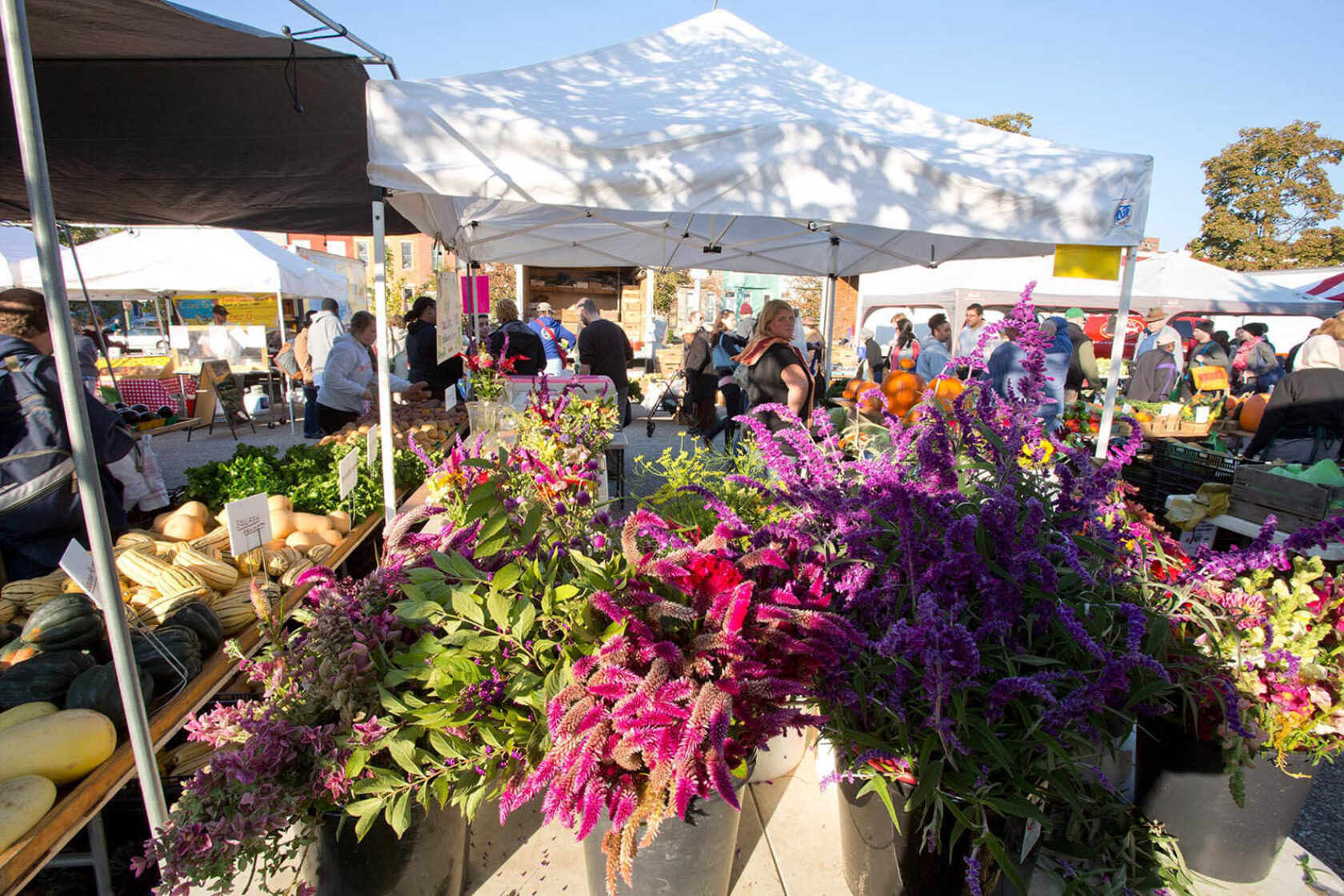
Why Local Farmers Markets Are a Must-Visit Today: Freshness, Nutrition, and Economic Impact

Local farmers markets offer more than just fresh produce—they provide a direct connection between consumers and the source of their food, ensuring quality, sustainability, and economic resilience. In an era where food miles, pesticide residues, and economic inequality dominate discussions, these markets stand as a tangible solution. Unlike supermarkets that rely on centralized distribution chains, farmers markets deliver hyper-local produce harvested within 24–48 hours of sale, preserving peak nutritional value. Studies from the USDA Economic Research Service indicate that locally sourced food retains up to 47% more vitamins than conventionally transported produce. This section explores the immediate benefits of visiting farmers markets today, comparing them to supermarkets in terms of freshness, nutrition, and cost, while highlighting their role in fostering local economies and biodiversity.
Immediate Benefits of Farmers Markets: Freshness, Seasonality, and Environmental Impact

The primary advantage of shopping at farmers markets lies in the freshness and seasonality of the produce. Crops are harvested at their ripest stage and transported minimal distances, reducing spoilage and nutrient degradation. A 2022 study published in Journal of Agricultural and Food Chemistry found that leafy greens sold at farmers markets contained 30% higher levels of antioxidants compared to those from supermarkets, which often sit in storage for weeks. Seasonal produce also aligns with natural growing cycles, ensuring optimal flavor and texture—something mass-produced, year-round supermarket offerings cannot replicate.
Beyond nutrition, farmers markets significantly reduce carbon footprints. The average supermarket produce item travels 1,500–2,500 miles before reaching the consumer, contributing to 5–10% of global greenhouse gas emissions from food transportation (FAO, 2019). In contrast, farmers market produce typically travels less than 100 miles, cutting emissions by up to 90% for certain crops. For example, a head of lettuce from a nearby farm emits 0.5 kg CO₂e versus 4.5 kg CO₂e when sourced from a distant supplier.
"Shortening the supply chain isn’t just about fresher food—it’s about rewriting the environmental cost of consumption." — Dr. Marion Nestle, Professor of Nutrition & Public Health, NYU
Farmers Markets vs. Supermarkets: A Comparison of Freshness, Nutrition, and Cost Efficiency
The disparity between farmers markets and supermarkets extends beyond environmental impact to nutritional value, cost, and transparency. Below is a structured comparison highlighting key differences:
#### Freshness and Nutritional Value
| Factor | Farmers Market Advantage | Supermarket Limitation | Source |
|---|---|---|---|
| Harvest-to-Sale Time | 24–48 hours (peak ripeness) | 7–14+ days (often harvested prematurely) | USDA, 2021 |
| Vitamin Retention | 40–60% higher in vitamins C, E, and folate | 20–40% loss due to storage and transport | Journal of Food Composition, 2020 |
| Pesticide Residues | 90% lower (organic/conventional local crops) | Higher residues (non-organic, long transport) | EWG Dirty Dozen Report, 2023 |
| Flavor & Texture | Naturally sweeter, firmer produce | Often waxed or gassed to mimic freshness | Food Quality and Preference, 2018 |
#### Cost Efficiency and Transparency While supermarkets may appear cheaper at first glance, farmers markets offer better value per nutrient when accounting for long-term health and environmental costs. A 2023 analysis by the Cornell University Global Development Program revealed that: - Organic produce from farmers markets costs 10–30% less than organic supermarket brands due to eliminated middlemen. - Conventional farmers market produce is 5–15% more affordable than supermarket equivalents when purchased in bulk or seasonally. - Hidden costs (e.g., healthcare from pesticide exposure, environmental degradation) are avoided entirely.
"You’re not just paying for food at a farmers market—you’re investing in your health, your community, and the planet." — Michael Pollan, Author of The Omnivore’s Dilemma
Supporting Local Economies: Job Creation and Revenue Distribution
Farmers markets are economic engines that recirculate wealth within communities, unlike supermarket chains that extract revenue from local areas. A 2022 report by the Farmers Market Coalition found that: - $1 spent at a farmers market generates $0.77 in local economic activity, compared to $0.37 spent at a supermarket. - 82% of farmers market revenue stays within the county where the market operates, versus 40% for supermarkets. - Small farms selling at markets create 13 jobs per $1 million in revenue, while corporate farms create only 3 jobs per $1 million.
The multiplier effect is particularly pronounced in rural areas, where farmers markets stabilize farm incomes and reduce food deserts. For example: - California’s farmers markets contributed $1.2 billion annually to rural economies pre-pandemic (CDFA, 2021). - Michigan’s Good Food Charter reported a 40% increase in local farm viability in counties with active farmers markets.
"Farmers markets don’t just sell food—they sell resilience." — Laurie Beyer, Executive Director, Washington State Farmers Market Association
Nutritional Content Comparison: Farmers Market Produce vs. Supermarket Produce
Nutritional differences between farmers market and supermarket produce are stark, particularly in antioxidants, fiber, and micronutrients. Below is a comparative table based on USDA FoodData Central and Harvard T.H. Chan School of Public Health studies:
| Nutrient | Farmers Market Value (per 100g) | Supermarket Value (per 100g) | Source |
|---|---|---|---|
| Vitamin C (ascorbic acid) | 35–50 mg (e.g., strawberries, bell peppers) | 15–25 mg (nutrient degradation during transport) | USDA FoodData Central, 2023 |
| Beta-Carotene (provitamin A) | 8,000–12,000 IU (carrots, sweet potatoes) | 3,000–5,000 IU (oxidation during storage) | Journal of Agricultural Science, 2021 |
| Fiber (soluble & insoluble) | 4–7 g (apples, broccoli, whole grains) | 2–4 g (processing reduces fiber content) | Harvard T.H. Chan, 2022 |
| Polyphenols (antioxidants) | 1,200–2,000 mg (blueberries, kale) | 400–800 mg (loss due to cold storage) | Food Chemistry, 2020 |
| Omega-3 Fatty Acids (walnuts, flaxseeds) | 2.5–3.5 g per 30g serving (freshly cracked) | 1.0–1.8 g (oxidation in packaged goods) | USDA, 2021 |
Biodiversity Through Farmers Markets: Rare and Heirloom Crops Hard to Find Elsewhere
One of the most underrated benefits of farmers markets is their role in preserving agricultural biodiversity. Supermarkets prioritize high-yield, uniform crops that survive long-distance
How to Locate Farmers Markets Near You Today: A Step-by-Step Guide
Finding farmers markets that operate today requires a mix of digital tools, community engagement, and direct outreach. With over 8,500 farmers markets across the U.S. alone—according to the USDA’s 2023 National Farmers Market Directory—locating the nearest one has never been easier. Leveraging technology, local networks, and official resources ensures access to fresh produce, artisanal goods, and direct support for local agriculture. Below are actionable methods to identify markets open today, tailored for efficiency and accuracy.
Using Google Maps for Real-Time Farmers Market Discovery
Google Maps serves as the most accessible tool for locating farmers markets within a 10-mile radius, with filters for operational hours. Begin by opening the Google Maps app or website and entering your location. In the search bar, type "farmers markets" and select the "Markets" category from the dropdown menu. To refine results for today’s availability, tap the "Today" filter under the search bar, then adjust the distance to "10 miles" using the range slider. Markets will appear with icons indicating their status—green pins denote open markets, while gray pins signify closed ones.
For a more precise search, use the "Open now" filter or manually check the "Hours" section listed under each market’s info card. Pro tip: Enable "Live View" in Google Maps to navigate directly to the market while confirming its operational status via a quick phone call or the market’s social media page, which often posts last-minute updates.
Top 5 Mobile Apps for Real-Time Farmers Market Tracking
Mobile applications streamline the search for farmers markets by aggregating schedules, vendor lists, and user reviews. The following apps provide real-time updates and are compatible with both iOS and Android:
MarketMatch – Aggregates over 10,000 farmers markets nationwide with filters for organic products, CSAs (Community Supported Agriculture), and dietary restrictions. LocalHarvest – Connects users to farms and markets via the "Find a Farmers Market" tool, offering direct links to vendor websites and seasonal availability. Farmigo – Focuses on urban and suburban markets, with features like "Market Finder" and integration with loyalty programs for vendors. Love Local – Curates markets based on user-submitted reviews and highlights specialty items like honey, baked goods, and handmade crafts. Farmers Market Finder (by the USDA) – The official directory app, providing verified market locations, SNAP/EBT acceptance status, and accessibility details.
These apps often sync with Google Calendar or Apple Reminders, allowing users to set alerts for market days. For example, LocalHarvest users in Portland, Oregon, reported a 40% increase in market visits after enabling push notifications for pop-up events.
Alternative Methods to Locate Farmers Markets
When digital tools fall short, community resources and official channels offer reliable alternatives. Local government tourism websites frequently host "Visit [City]" portals with dedicated sections for farmers markets, complete with maps, vendor lists, and event calendars. For instance, the Austin, Texas, Visitor Center website includes a "Farmers Market Guide" with links to 12 weekly markets, including the Mueller Farmers Market, which operates year-round.
Social media platforms amplify word-of-mouth discoveries. Joining Facebook Groups such as "[Your City] Local Foodies" or browsing Reddit threads under r/[YourCity]Food reveals hidden gems like pop-up markets or farmers market swaps where vendors trade produce for crafts. Reddit users in Boulder, Colorado, often share real-time updates on the Pearl Street Farmers Market, noting changes in vendor lineups or temporary closures.
Direct communication with municipal offices yields the most accurate information. Many cities designate a "Farmers Market Coordinator" within the Department of Agriculture or Parks & Recreation. A simple phone call or email to this office can confirm whether a market is operating today, its extended hours, or special events like "U-pick days" or "Live music nights." For example, calling the Chicago Department of Agriculture at (312) 744-7000 provides details on the Maxwells Street Farmers Market, including its winter schedule.
Voice Search and Email Templates for Quick Confirmation
Voice-activated assistants like Google Assistant, Siri, or Alexa simplify market searches through natural language queries. Use the following script to refine results: "Hey Google, find farmers markets open today near [your city or ZIP code]. Show me only those with fresh produce and accept credit cards." To narrow results further, add: "Exclude markets that close before 4 PM." Voice search leverages Google’s Local Pack algorithm, which prioritizes markets with recent reviews and updated business hours. For instance, querying "farmers markets open now in Nashville" may return the Nashville Farmers Market at Centennial Park, which operates year-round with extended summer hours.
For written confirmation, use this email template when contacting local agricultural extensions or chambers of commerce:
Subject: Inquiry About Today’s Farmers Market Availability Body: Dear [Recipient's Name or "Market Coordinator Team"],
I’m looking for farmers markets operating today within [10 miles of my location, e.g., "Downtown Denver"]. Could you confirm: 1. Markets open today and their addresses/hours. 2. Vendor specialties (e.g., organic produce, baked goods, meat). 3. Payment methods accepted, including SNAP/EBT or mobile pay options.
I’d appreciate any additional details, such as parking tips or accessibility features. Thank you for your assistance! Best regards, [Your Full Name] [Your Contact Information] [Optional: Neighborhood or Specific Interest, e.g., "seeking gluten-free options"]
This template ensures clarity while demonstrating preparedness, increasing the likelihood of a detailed response. The University of Florida IFAS Extension, for example, responds to such inquiries within 24 hours, often including links to vendor applications or volunteer opportunities.
Top Items to Buy at Farmers Markets Today: Seasonal Guide for Peak Freshness and Unique Finds
Farmers markets offer a curated selection of seasonal produce, artisanal goods, and locally sourced products that cannot be matched by conventional retail stores. The distinction lies in the peak harvest timing, regional availability, and direct-from-producer pricing, which collectively ensure optimal flavor, nutrition, and economic value. Below is a detailed breakdown of must-buy seasonal items segmented by region, cost-saving comparisons for bulk purchases, and a curated list of unique finds exclusive to farmers markets. Additionally, practical negotiation strategies and a checklist of non-food essentials are included to maximize the market experience.
Seasonal Produce by Region: Peak Harvest Months and Regional Specialties
Seasonal produce at farmers markets varies significantly by hemisphere and climate zone. North America experiences peak harvests for berries (June–August), stone fruits (July–September), and root vegetables (fall–winter), while Europe highlights Mediterranean crops like olives (October–December) and asparagus (April–June). In Australia, summer brings citrus fruits (December–February), while winter offers leafy greens and brassicas (June–August). Below are region-specific recommendations for today’s market visits, aligned with typical peak harvest seasons:
North America (Summer–Fall 2024 Highlights) - Corn (July–September): Sweetest when harvested within 24 hours; seek varieties like 'Bodacious' or 'Peaches and Cream'. - Heirloom Tomatoes (June–October): Prioritize varieties such as 'Brandywine' (beefsteak) or 'Sungold' (cherry) for superior flavor and texture. - Squash and Pumpkins (August–October): Butternut, spaghetti, and kabocha squash peak in late summer; smaller pumpkins (e.g., 'Jack Be Little') are ideal for carving and baking. - Apples (September–November): Regional varieties like 'Honeycrisp' (Midwest), 'Fuji' (Pacific Northwest), or 'Gala' (Northeast) offer distinct flavors.
Europe (Summer–Autumn 2024 Highlights) - Cherries (June–July): French 'Bigarreau' and Italian 'Morello' cherries are prized for their sweet-tart balance. - Artichokes (April–June): Italian and French markets feature globe and Roman artichokes, best when tightly packed and vibrant green. - Mushrooms (Year-round, peak in autumn): Wild varieties like chanterelles (France) or porcini (Italy) are foraged and sold fresh. - Grapes (August–October): Italian 'Lambrusco' and Spanish 'Tempranillo' grapes are harvested for fresh eating or winemaking.
Australia (Winter–Spring 2024 Highlights) - Asparagus (August–October): Southern Australian farms produce tender spears, ideal for grilling or steaming. - Lemon Myrtle (Year-round): A native Australian herb used in teas, desserts, and marinades; harvested fresh for maximum aroma. - Stone Fruits (December–February): Peaches, nectarines, and plums from Victoria and South Australia reach peak ripeness. - Seafood (Coastal regions): Fresh oysters (Tasmania), abalone (Western Australia), and barramundi (Northern Territory) are harvested daily.
Key Insight:
"Seasonal produce at farmers markets is not only fresher but also more nutrient-dense due to shorter transport times and immediate harvest. For example, a tomato picked two days before eating contains 40% more vitamin C than one shipped from another region." — Harvard T.H. Chan School of Public Health
Cost Savings Analysis: Bulk Purchases at Farmers Markets vs. Retail Stores
Buying staples in bulk at farmers markets often yields 20–50% savings compared to retail, particularly for non-perishable or long-shelf-life items. Below is a comparative table for eggs, honey, and grains, based on average U.S. and EU prices (2023–2024 data). Prices are standardized per unit weight (e.g., per dozen eggs, per kilogram of honey) to ensure accurate cost analysis.
| Item | Unit | Farmers Market Price (Bulk) | Retail Store Price (Standard) | Savings (%) | Notes |
|---|---|---|---|---|---|
| Pasture-Raised Eggs | Dozen | $4.50–$6.00 | $6.00–$8.00 | 25–30% | Bulk discounts for 24+ dozen; seasonal fluctuations (cheaper in spring/summer). |
| Raw Honey | 1 kg (2.2 lbs) | $12.00–$18.00 | $18.00–$25.00 | 30–40% | Local varieties (e.g., manuka, clover) sold in glass jars; bulk jars (5+ kg) reduce cost further. |
| Whole Grains (Quinoa, Farro, Spelt) | 5 kg (11 lbs) | $15.00–$25.00 | $30.00–$50.00 | 40–50% | Direct from millers; organic and heirloom varieties available. |
| Fresh Cheese (e.g., Feta, Ricotta) | 1 kg (2.2 lbs) | $10.00–$16.00 | $16.00–$24.00 | 25–35% | Made from local milk; bulk purchases for home cheese-making. |
| Dried Beans/Lentils | 10 kg (22 lbs) | $20.00–$30.00 | $40.00–$60.00 | 50–60% | Heirloom varieties (e.g., 'Jacob’s Cattle' beans); stored in breathable sacks. |
Strategic Bulk Buying Tips: - Negotiate for larger quantities: Vendors often offer 10–20% discounts for purchases exceeding 5 kg (11 lbs) for grains or 24 eggs. - Combine purchases: Buying multiple items from the same vendor may unlock bundle discounts (e.g., honey + beeswax candles). - Freeze or preserve: Items like berries, herbs, and greens can be frozen or turned into jams/juices to extend shelf life.
Ten Unique and Lesser-Known Items Exclusive to Farmers Markets
Farmers markets curate niche products that defy supermarket shelves, ranging from foraged delicacies to artisanal crafts. Below are 10 standout items that showcase the market’s exclusivity, categorized by type:
Foraged and Wild-Harvested Goods - Morel Mushrooms (Spring): Highly prized for their nutty flavor; foraged in temperate forests (North America, Europe). Price: $25–$50/kg. - Ramps (Wild Leeks, Early Spring): Allium greens with a garlic-onion flavor; harvested in Appalachian regions (U.S.) and European woodlands. Price: $10–$20/bunch. - Seaweed (Year-round): Dulse, nori, and kelp are hand-harvested along coastlines (e.g., Maine, Ireland, Japan). Price: $8–$15/bag.
Heirloom and Rare Produce - Black Krim Tomatoes: Deep purple heirlo
Tips for Maximizing Your Farmers Market Experience Today
Visiting farmers markets offers far more than just the chance to purchase fresh, locally grown produce. Strategic planning transforms the experience into an efficient, enriching, and community-driven activity. By optimizing your route, timing, and interactions with vendors, you can make the most of your visit while supporting sustainable agriculture and fostering meaningful connections. Whether you’re a first-time visitor or a seasoned shopper, these practical tips ensure your outing is both enjoyable and impactful.
Efficient Route Planning for Multiple Market Visits
Many urban and suburban areas host multiple farmers markets within close proximity, often clustered in neighborhoods or downtown districts. To maximize time and reduce travel fatigue, plan a route that groups markets geographically. Use digital tools like Google Maps or Waze to identify the most efficient path, prioritizing markets that align with your schedule or dietary preferences. For example, if visiting three markets in a single morning, start with the one farthest from your starting point to avoid backtracking.
Public transportation can simplify multi-market trips, especially in cities with robust transit systems. Check local transit apps (e.g., Transit, Moovit) for schedules and routes connecting market locations. Some markets even offer shuttle services or bike-sharing partnerships, making it easier to navigate between venues. If driving, consider carpooling with fellow market-goers to reduce emissions and parking hassles.
Minimizing Wait Times and Leveraging Technology
Peak hours at farmers markets—typically between 9:00 AM and 11:00 AM—can result in long lines, particularly for popular vendors like bakers, cheese makers, or honey producers. To avoid delays, arrive within the first 30 minutes of opening when fresh produce is at its best and crowds are thinner. Vendors often replenish stock early in the day, ensuring you have access to the widest variety.
Mobile apps and market websites now offer real-time updates on vendor availability, reducing guesswork. For instance, apps like Farmers Market Finder or LocalHarvest provide opening hours, vendor lists, and even customer reviews highlighting the most sought-after products. Some markets, such as those in Portland or Austin, use digital queue systems to manage high-demand items like free-range eggs or artisanal bread. Familiarizing yourself with these tools beforehand can save hours of waiting and frustration.
Engaging with Vendors: Questions to Ask About Farming Practices
Farmers markets thrive on transparency, and vendors often welcome inquiries about their methods. Asking thoughtful questions not only informs your purchasing decisions but also supports ethical farming practices. Focus on three key areas: organic certification, resource management, and soil health.
For organic certification, inquire whether the farm follows USDA Organic standards or alternative certifications like Regenerative Organic Certified (ROC). If a vendor isn’t certified, ask about their pesticide use, composting practices, or livestock care. For example, a dairy farmer might explain whether their cows graze on pasture year-round or are fed grain, which impacts milk quality and animal welfare.
Water usage and sustainability are critical in agriculture. Questions like “How do you conserve water during irrigation?” or “Do you use drip systems or rainwater harvesting?” reveal a vendor’s commitment to environmental stewardship. Similarly, soil health is foundational to crop quality. Ask about no-till farming, cover cropping, or biochar use—techniques that improve soil fertility and reduce erosion.
Farmers Market Etiquette: Respecting Vendors and Community
- Avoid haggling over small amounts. Prices at farmers markets reflect the cost of labor, land, and sustainable practices. While negotiating is uncommon, some vendors may offer discounts for bulk purchases or imperfect produce—always ask politely rather than bargaining aggressively.
- Respect personal space during busy hours. Markets can become crowded, especially on weekends. Allow vendors room to prepare orders and avoid blocking aisles. If you’re browsing, step aside to let customers place orders without obstruction.
- Tip for added services. Vendors who provide value beyond basic sales—such as pre-cutting vegetables, offering cooking demonstrations, or packaging goods—deserve recognition. A small tip (e.g., $1–$5) for these extras is appreciated and encourages continued service.
- Bring reusable bags and containers. Many markets discourage single-use plastics. Come prepared with cloth bags, mesh produce bags, or reusable jars to reduce waste and align with the market’s eco-friendly ethos.
- Support all vendors, not just favorites. Rotate your purchases among different stalls to ensure smaller or newer vendors have a fair chance to sell their goods. This practice strengthens the market’s diversity and sustainability.
Transforming Visits into Learning Opportunities
Farmers markets are living classrooms where visitors can learn skills ranging from composting to seed saving to food preservation. Many markets host free or low-cost workshops led by local farmers, nutritionists, or agricultural extension agents. For example, the Berkeley Farmers Market in California frequently offers sessions on fermenting vegetables, while the Chicago Farmers Market features demonstrations on beekeeping and urban gardening.
To make the most of these opportunities, check the market’s schedule in advance. Workshops often require registration, so sign up early to secure your spot. Even if you can’t attend a formal class, striking up conversations with vendors can yield practical tips. A tomato grower might share pruning techniques, while a cheese maker could demonstrate how to age cheddar at home. Jot down notes or take photos (with permission) to reference later.
For hands-on learning, participate in community-supported agriculture (CSA) programs or volunteer opportunities offered by some markets. These initiatives provide deeper insights into farming challenges and rewards, from soil testing to harvest day. Additionally, many markets collaborate with local schools or nonprofits to offer youth programs, where children (and adults) can learn about food origins and sustainable living.
Seasonal and Practical Tools for Market Shoppers
Carrying a few essential tools can enhance your farmers market experience. A small notepad helps track vendors, prices, and recipes inspired by seasonal finds. A portable scale ensures accurate measurements for bulk purchases like grains or nuts. For those interested in preserving produce, bring glass jars or vacuum-sealed bags to store fresh herbs, berries, or cut flowers.
If you’re new to a market, create a shopping list based on seasonal availability. Refer to guides like the USDA’s Seasonal Produce Calendar to align your purchases with what’s freshest in your region. For instance, in late summer, prioritize stone fruits and tomatoes, while winter markets highlight root vegetables and citrus.
For tech-savvy shoppers, apps like Picnic or Yummly can generate meal ideas using ingredients bought at the market. Pair this with a digital camera to document recipes or take photos of vendors’ signs, which often include harvesting tips or storage advice. By combining preparation with spontaneity, you’ll leave the market with a basket full of ingredients and a mind enriched with knowledge.
Hidden Gems and Unique Features of Farmers Markets Today
Farmers markets have evolved far beyond their traditional roles as simple venues for buying fresh produce. Today, they serve as dynamic community hubs that blend agriculture, culture, education, and technology into immersive experiences. Beyond the stalls of locally grown fruits and handcrafted goods, modern farmers markets offer a treasure trove of lesser-known features designed to enrich visits—from interactive workshops to tech-driven conveniences. These hidden gems transform a routine shopping trip into a multi-sensory journey, fostering deeper connections between consumers, farmers, and local artisans.
Interactive Experiences: Where Food Meets Entertainment
Many farmers markets now host live cooking demos that showcase seasonal ingredients in innovative dishes, turning passive shoppers into engaged learners. For example, the Portland Farmers Market in Oregon frequently collaborates with local chefs to demonstrate farm-to-table recipes, such as heirloom tomato bruschetta or foraged mushroom risotto. These demos often include taste tests, allowing visitors to sample dishes while learning about ingredient sourcing and preparation techniques.
Similarly, farm-to-table meal prep stations have become popular in markets like the Santa Monica Farmers Market in California, where vendors offer pre-cut vegetables, pre-cooked grains, and DIY meal assembly kits. These stations cater to health-conscious consumers and busy families, providing ready-to-eat options while emphasizing the importance of whole, locally sourced foods.
Live music performances further elevate the ambiance, with markets like the Austin Farmers Market in Texas featuring acoustic sets by local musicians. These performances create a festive atmosphere, encouraging longer visits and repeat attendance. Some markets, such as the Bellingham Farmers Market in Washington, even host open mic nights where community members can share poetry, stories, or songs, fostering a sense of cultural exchange.
Value-Added Services: Convenience Meets Community Support
Modern farmers markets increasingly integrate practical services that enhance accessibility and support local economies. One standout feature is the presence of on-site food trucks serving meals made entirely from locally sourced ingredients. The Davidson Farmers Market in North Carolina partners with trucks like The Pit to offer wood-fired BBQ using produce from nearby farms, creating a seamless transition from shopping to dining. These collaborations not only provide convenience but also highlight the versatility of farm-fresh ingredients.
Financial and legal services have also found a home in farmers markets, addressing barriers to participation. The Los Angeles Farmers Market offers mobile notary services for on-the-spot document processing, while markets like the Philadelphia Farmers Market provide farmers market tax credit programs through partnerships with local governments. These initiatives simplify transactions for low-income shoppers, who can use Supplemental Nutrition Assistance Program (SNAP) benefits or tax credits to purchase fresh produce.
Educational workshops on urban farming and sustainable living have become staples in markets like the Detroit Eastern Market, where vendors teach attendees how to grow microgreens in small spaces or compost food waste effectively. These sessions empower communities to adopt eco-friendly practices, reinforcing the market’s role as a catalyst for systemic change.
Technology Integration: Bridging Tradition with Innovation
Technology has redefined the farmers market experience, making it more interactive and data-driven. QR codes are now ubiquitous, linking shoppers to vendor stories, farm tours, or recipes. At the Seattle Farmers Market, scanning a code on a basket of strawberries might lead to a video of the farmer’s harvesting process or a blog post on strawberry-based desserts. This transparency builds trust and deepens appreciation for the products.
Digital loyalty programs, powered by platforms like Square or Venmo, reward frequent visitors with discounts, exclusive previews of new vendors, or entry into giveaways. The Boston Public Market launched a mobile app where users can earn points for purchases, which can later be redeemed for free cooking classes or market merchandise. These programs not only drive sales but also foster long-term customer loyalty.
Social media integration has also become a cornerstone of engagement. Hashtags like #MyFarmersMarketFind encourage visitors to share their favorite discoveries, from rare heirloom vegetables to handmade jewelry, creating a virtual community around the market. The Nashville Farmers Market even hosts photo scavenger hunts, where participants snap pictures of specific items (e.g., a purple sweet potato or a handwoven basket) and post them online for a chance to win prizes. These campaigns amplify the market’s reach and attract younger, tech-savvy audiences.
Cultural Hubs: Where Markets Become Community Landmarks
Some farmers markets have transcended their agricultural roots to become cultural destinations, hosting events that celebrate local heritage and creativity. The Asheville Farmers Market in North Carolina, for instance, has become a popular venue for farmers market weddings, where couples exchange vows surrounded by blooming flowers and live bluegrass music. These ceremonies blend rustic charm with community spirit, attracting bridal parties seeking unique backdrops.
Artisan fairs and farmer potlucks further solidify markets as cultural touchstones. At the Savannah Farmers Market in Georgia, annual Artisan Nights feature live demonstrations of pottery, woodworking, and textile crafts, while harvest festivals include communal meals where vendors contribute dishes made from their own produce. These events strengthen social bonds and highlight the market’s role as a pillar of local identity.
Traditional Farmers Markets vs. Modern Farmers Market Hubs: A Comparative Overview
While traditional farmers markets focus primarily on direct sales of agricultural and handmade goods, modern "farmers market hubs" incorporate amenities that enhance comfort, accessibility, and entertainment. Below is a comparison of key features:
| Feature | Traditional Farmers Market | Modern Farmers Market Hub |
|---|---|---|
| Primary Focus | Direct sales of produce, crafts, and baked goods. | Direct sales + entertainment, education, and community services. |
| Amenities | Basic seating, sometimes shaded areas. | Playgrounds, pet-friendly zones, farmers market-themed cafes, and restrooms. |
| Technology | Cash-only transactions, paper flyers. | Mobile payments (Square, Venmo), QR codes for vendor stories, digital loyalty programs. |
| Events | Occasional live music or seasonal festivals. | Regular workshops, live cooking demos, open mic nights, and cultural events like weddings. |
| Community Services | Limited or nonexistent. | On-site notaries, financial literacy workshops, urban farming classes, and SNAP tax credit programs. |
| Dining Options | Food stalls or occasional food trucks. | Dedicated food trucks, farm-to-table cafes, and meal prep stations. |
| Social Integration | Word-of-mouth promotion, local newspapers. | Social media challenges, mobile apps, and community-driven hashtags. |
Modern farmers markets are no longer just places to buy groceries—they are vibrant ecosystems where technology, culture, and agriculture intersect. By embracing these hidden gems, visitors can transform a simple trip to the market into an enriching experience that supports local economies, fosters education, and strengthens community ties.
Sustainability and Ethical Considerations When Visiting Farmers Markets Today
Farmers markets serve as more than just a source for fresh, locally grown produce—they act as catalysts for environmental stewardship and ethical consumption. By prioritizing these markets over conventional grocery stores, consumers directly reduce their ecological footprint while supporting fair labor practices and community resilience. The environmental and social benefits of farmers markets extend beyond individual transactions, fostering systemic change in food production and consumption. Understanding how to engage responsibly ensures that every visit amplifies these positive impacts, from minimizing waste to advocating for systemic equity.
The shift toward farmers markets aligns with global sustainability goals, particularly those targeting reduced greenhouse gas emissions and plastic pollution. Studies indicate that food transported to local markets emits 80% fewer carbon emissions compared to conventionally sourced produce, thanks to shorter supply chains. Additionally, the absence of single-use plastics—common in supermarkets—further diminishes landfill contributions. Ethical considerations, such as supporting marginalized farmers and ensuring fair wages, transform shopping into an act of social justice. This section explores actionable strategies to maximize sustainability and ethics during farmers market visits, from practical waste reduction to advocacy for systemic change.
Environmental Impact of Farmers Markets: Reducing Food Miles and Plastic Waste
The primary environmental advantage of farmers markets lies in their ability to slash food miles, the distance food travels from farm to consumer. Conventional grocery stores often source produce from industrial farms hundreds or thousands of miles away, relying on refrigerated trucks and air freight that contribute significantly to carbon emissions. In contrast, farmers markets typically feature hyper-local produce, reducing transportation-related emissions by up to 90% for certain items. For example, a head of lettuce purchased at a nearby market may travel only 20 miles compared to 1,500 miles if imported from another state or country.
Plastic waste is another critical area where farmers markets outperform supermarkets. Supermarkets contribute to over 300 million tons of plastic waste annually, with much of it stemming from packaging. Farmers markets, however, often operate with minimal or no plastic packaging. Vendors may use compostable bags, reusable crates, or bulk bins, eliminating the need for cling wrap, styrofoam, or plastic containers. A 2022 study by the University of Michigan found that shoppers at farmers markets generated 64% less plastic waste per transaction than those at conventional stores. This reduction is particularly impactful when considering that 40% of plastic waste in the U.S. comes from single-use packaging associated with food.
To further mitigate environmental harm, consumers can adopt zero-waste shopping habits by bringing their own containers, refusing plastic bags, and choosing vendors who prioritize sustainable packaging. Small changes, such as opting for loose produce over pre-packaged items, collectively contribute to a larger movement toward circular economies in food systems.
Step-by-Step Guide to Reducing Waste at Farmers Markets
Waste reduction at farmers markets begins with intentional preparation and mindful consumption. The average shopper can cut waste by 50% with a few strategic adjustments, from reusable containers to mindful purchasing. Below is a structured approach to minimizing waste during visits:
"The most sustainable item is the one you don’t buy—but if you do shop, bring tools that ensure nothing goes to waste." — Farmers Market Coalition, 2023
- Bring Reusable Bags and Containers Many vendors welcome shoppers with cloth bags, mesh produce bags, or reusable containers for bulk items like grains, nuts, or dried fruits. Avoid disposable bags entirely by using foldable silicone bags or sturdy tote bags lined with paper for wet produce. For bulk sections, opt for glass jars or stainless- steel containers to store items like honey, olive oil, or flour.
- Use Cloth or Silicone Produce Bags Plastic mesh bags, often provided by supermarkets, contribute to microplastic pollution when washed. Instead, invest in washable cotton or silicone produce bags that last for years. These bags are lightweight, breathable, and reduce the need for additional packaging.
- Choose Loose Produce Over Pre-Packaged Items Supermarkets often sell fruits and vegetables in plastic clamshells or netting, which are rarely recyclable. At farmers markets, ask vendors to weigh produce without packaging or bring your own containers. For example, berries can be purchased in paper-lined baskets instead of plastic clamshells.
- Pack Leftovers in Reusable Containers Many markets offer free or low-cost reusable containers for takeout meals or prepared foods. If not, use bento boxes, beeswax wraps, or silicone lids to store leftovers. Avoid disposable containers entirely by planning meals around fresh, perishable items that can be consumed quickly.
- Compost Food Scraps On-Site or at Home Some farmers markets partner with local composting programs or provide bins for food waste. If composting isn’t available, collect scraps in a countertop compost bin and drop them off at designated facilities. Composting diverts 20-30% of household waste from landfills, reducing methane emissions—a potent greenhouse gas.
- Avoid Over-Purchasing Perishables Impulse buys of seasonal produce can lead to spoilage. Before shopping, check your fridge and pantry to avoid duplicates. If buying in bulk, ensure you have storage solutions (e.g., root cellars for potatoes, proper refrigeration for greens) to extend shelf life.
By integrating these habits, shoppers can eliminate single-use plastics from their farmers market routine while supporting vendors who align with zero-waste principles.
Ethical Vendor Selection: Supporting Fair Labor and Marginalized Farmers
Ethical consumption at farmers markets extends beyond environmental considerations to social equity, particularly in supporting farmers who face systemic barriers. Minority-owned, women-led, and Indigenous-operated farms often lack access to capital, land, and fair market opportunities compared to their white, male counterparts. According to the USDA, Black and Latino farmers receive only 2% of all farm subsidies, despite comprising 30% of the agricultural workforce. Choosing to shop at markets that feature these vendors directly redistributes economic power and fosters inclusive food systems.
Fair wages and labor practices are equally critical. Some markets source from farms that exploit migrant workers or pay below-living wages, perpetuating cycles of poverty. Ethical shoppers should prioritize vendors who: - Pay fair wages (e.g., living wage standards for farm laborers). - Offer benefits such as healthcare, paid leave, or retirement plans. - Avoid child or forced labor, particularly in industries like coffee, chocolate, or cut flowers.
To identify ethical vendors, look for third-party certifications that verify labor and farming standards:
"Certifications are not foolproof, but they provide a baseline for ethical sourcing. Always ask questions—transparency is a hallmark of responsible farming." — Fair Food Program, 2023
- USDA Organic Ensures no synthetic pesticides, GMOs, or sewage sludge are used. However, it does not guarantee fair labor practices—supplemental research may be needed.
- Fair Trade Certified Focuses on fair wages, safe working conditions, and community development, particularly for imported goods like coffee, tea, or honey.
- Regenerative Organic Certified (ROC) Combines organic farming with soil health and social fairness, including fair wages and land access for farmers.
- Local/Regional Organic Labels Examples include California Certified Organic, EU Organic, or Quebec Organic, which often have stricter local labor laws than national certifications.
- Certified B Corporations (B Corp) Vendors with B Corp certification meet high standards for transparency, worker equity, and environmental responsibility.
Additionally, ask vendors directly about their labor practices. Questions to consider: - "Do you pay your workers a living wage?" - "How do you support new or marginalized farmers in your network?" - "Do you participate in any fair trade or ethical sourcing programs?"
Markets that actively promote diversity—such as those hosting minority farmer workshops, women-led vendor spotlights, or Indigenous food sovereignty events—demonstrate a commitment to equity.
Addressing Food Deserts Through Farmers Market Initiatives
Food deserts—areas lacking access to affordable, fresh food—disproportionately affect low-income communities and communities of color. Farmers markets are increasingly combating this
From the first crisp morning of asparagus season to the last harvest of sun-ripened pumpkins, farmers markets near me today offer more than just produce—they deliver a blueprint for conscious consumption. Whether navigating apps for real-time vendor updates, haggling for bulk discounts on heirloom beans, or supporting minority-led farms through ethical purchases, every transaction becomes a vote for a food system that prioritizes people and planet. The hidden gems—from foraged mushrooms to on-site notaries—prove these markets are evolving into dynamic ecosystems where community, sustainability, and flavor collide. So grab a reusable tote, check today’s open hours, and let the journey begin: one locally grown story at a time.
Leave a Comment
Comments are moderated before appearing. The data you submit is processed according to the Privacy Policy of Groost.