Mastering Cities Skylines 2 Commercial Districts Profitably
Table of Contents
- Commercial District Mechanics in Cities: Skylines II : A Revolutionary Approach to Urban Economics
- Modular Zoning System: Specialization and Resource Optimization
- District Budgets and Taxation: Balancing Profitability and Public Investment
- Step-by-Step Guide to Building a Balanced Commercial District
- Comparison Table: Commercial Zone Types in Cities: Skylines II
- Advanced Commercial District Design: Maximizing Efficiency and Aesthetics in Cities: Skylines II
- Commercial District Optimization Checklist: Infrastructure and Layout Fundamentals
- Balancing Commercial Density: Heatmaps and Population Data
- Climate and Terrain Adaptations for Commercial Success
- Economic Strategies for Commercial Districts: Budgeting, Investments, and Scaling in Cities: Skylines II
- Detailed Budgeting Template for Commercial Districts
- Loan Systems and Investment Strategies for Commercial Growth
- Ranking of Most Cost-Effective Commercial Upgrades by ROI
- Citizen Behavior and Commercial Success: Happiness, Productivity, and Foot Traffic in Cities: Skylines II
- Demographic Influence on Commercial Preferences and Target Audience Breakdowns
- Foot Traffic Mechanics: How Citizens Travel, Public Transport’s Role, and Peak vs. Off-Peak Dynamics
- Psychological Triggers: Proximity, Visual Appeal, and Convenience in Commercial Design
- Mods, Custom Content, and Realism Enhancements for Commercial Districts in Cities: Skylines II
- Curated List of Top Mods for Commercial District Optimization
- Step-by-Step Guide to Installing and Configuring Mods for Commercial Optimization
- Custom Assets: Designing Immersive and Profitable Commercial Districts
- Common Mistakes and Pitfalls in Commercial District Management (And How to Avoid Them)
- Top 10 Mistakes in Commercial District Management
- Real-Game Post-Mortem: Failed Commercial Districts and Lessons Learned
- Risk Assessment Table for Commercial Districts
Cities: Skylines II transforms commercial district management into a high-stakes economic puzzle, where every road, tax rate, and zoning decision directly impacts profitability and citizen satisfaction. Unlike its predecessor, the sequel introduces dynamic zoning systems, district budgets, and real-time foot traffic mechanics that demand strategic precision. Whether you aim to replicate Tokyo’s bustling Shibuya or New York’s high-end Times Square, understanding these mechanics is critical to avoiding financial collapse while fostering sustainable growth.
The game’s commercial features extend beyond mere aesthetics—they integrate economic theory with urban planning, forcing players to balance infrastructure costs against revenue potential. A poorly placed business district can hemorrhage funds due to traffic congestion or low foot traffic, while an optimized layout generates passive income through tourism, office workers, and specialized retail. This guide dissects the core mechanics, from zoning resource requirements to tax optimization, while providing actionable strategies to turn commercial districts into profit engines without sacrificing realism.

Commercial District Mechanics in Cities: Skylines II: A Revolutionary Approach to Urban Economics
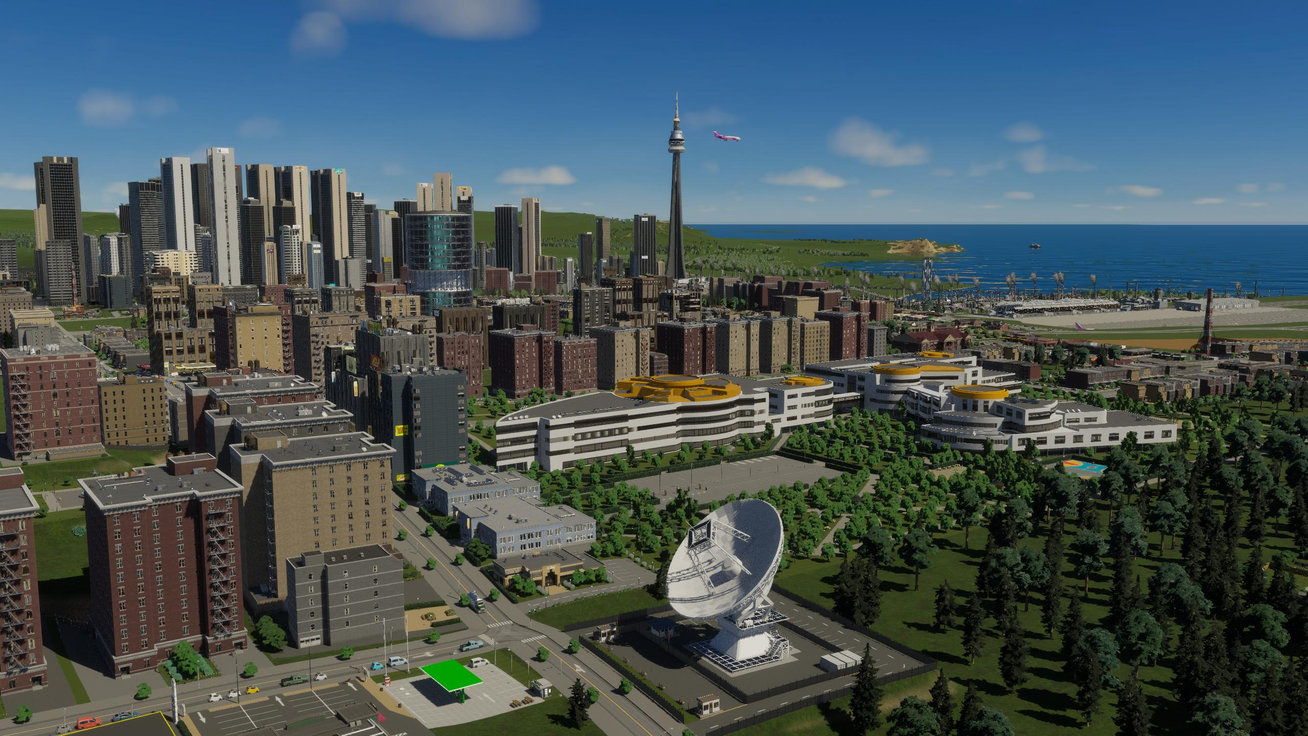
Cities: Skylines II introduces a completely overhauled commercial district system that transforms how players manage economic growth, citizen needs, and urban planning. Unlike its predecessor, which relied on generic commercial zones with limited specialization, Skylines II implements a modular zoning framework where each commercial district—Retail, Business, Entertainment, and Industrial—operates as an independent economic ecosystem. This system integrates dynamic budgets, tax policies, and citizen productivity metrics, allowing for granular control over profitability, infrastructure, and urban harmony. The game’s mechanics now emphasize supply-demand balance, where commercial success hinges on aligning zone types with residential demographics, public services, and strategic taxation. Below is a detailed breakdown of these innovations and their practical applications.
Modular Zoning System: Specialization and Resource Optimization
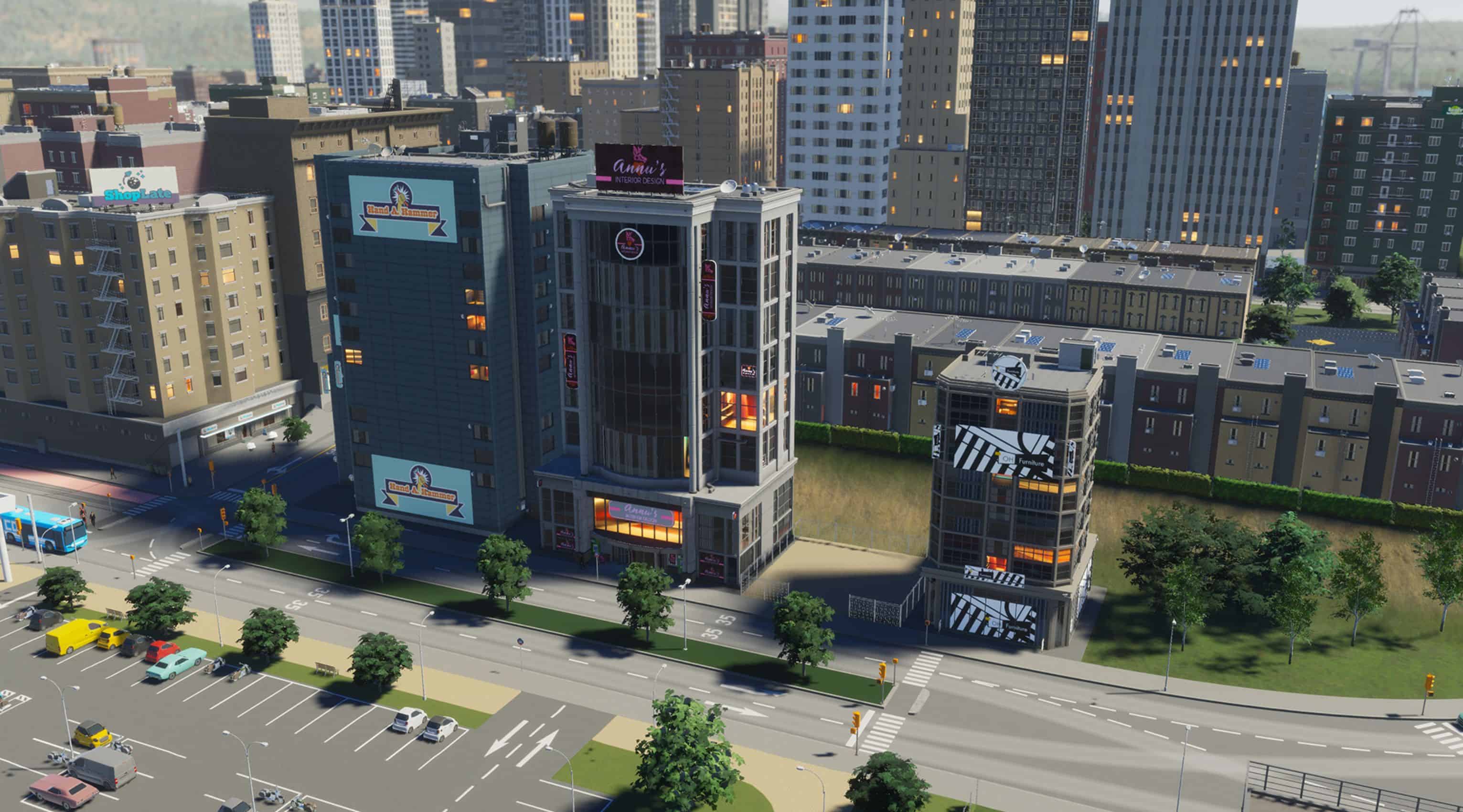
The core of Cities: Skylines II’s commercial overhaul lies in its four distinct commercial zones, each designed to cater to specific economic functions while demanding unique resources and infrastructure. Unlike the original game’s single "Commercial" zone, these new categories enable players to diversify revenue streams and tailor districts to regional strengths. The system operates on a tiered specialization model, where zones can be upgraded to unlock higher-tier buildings (e.g., converting a Basic Retail strip mall into a High-End Shopping Arcade) by meeting budget thresholds, service coverage, and citizen demand.
Each zone type requires a combination of water, power, and waste services, but their primary income sources and optimal residential adjacencies vary significantly. For example: - Retail zones thrive near middle-to-high-income residential areas and generate income primarily from shopping revenue, which scales with foot traffic and luxury upgrades. - Business districts rely on office productivity, making them ideal near public transit hubs to attract commuters, while also benefiting from education and healthcare services to boost employee satisfaction. - Entertainment zones depend on nightlife revenue and tourism, requiring proximity to hotels, parks, and cultural landmarks to maximize visitor numbers. - Industrial zones focus on manufacturing output, with income tied to resource extraction, logistics, and export efficiency, making them critical for large-scale economic growth but often pollution-heavy.
Resource requirements for each zone type are non-negotiable: neglecting power or waste management in a high-density Business district, for instance, can trigger citizen dissatisfaction, leading to protests, lower productivity, and reduced income. The game introduces real-time budget tracking, where districts must cover operational costs (salaries, maintenance, taxes) before generating profit. Players can adjust tax rates (from 0% to 20%) to influence district budgets, but excessive taxation stifles growth, while under-taxation may leave districts underfunded for critical upgrades.
District Budgets and Taxation: Balancing Profitability and Public Investment
The district budget system in Skylines II functions as a living ledger, where every decision—from zoning placement to service upgrades—directly impacts financial health. Budgets are divided into operational costs (fixed expenses like salaries, utilities) and revenue streams (income from zone activities). Players must allocate funds for maintenance, emergency services, and upgrades, with deficits leading to automated austerity measures (e.g., reduced service quality, delayed construction).
Taxation emerges as a double-edged sword: high taxes (15–20%) can fund rapid infrastructure growth but may discourage investment in high-profit zones like Entertainment or Business. Conversely, low taxes (0–5%) maximize district income but risk budget shortfalls for essential services. Optimal strategies vary by zone: - Retail districts benefit from moderate taxes (8–12%) to fund pedestrian infrastructure (sidewalks, streetlights) without deterring shoppers. - Business districts thrive under lower taxes (5–10%) to attract corporate offices, but require high investment in public transport to reduce commute times. - Entertainment zones can sustain higher taxes (12–15%) due to their tourism-driven revenue, but must prioritize security and nightlife amenities to offset crime risks. - Industrial zones often operate at 0–5% taxes to minimize operational costs, relying instead on subsidies or export bonuses for profitability.
Example Tax Strategy for a High-End Retail District: 1. Initial Phase (Expansion): Set taxes at 10% to fund road upgrades and security. 2. Maturity Phase (Stability): Reduce taxes to 7% to boost foot traffic from adjacent luxury residential zones. 3. Late Game (Optimization): Increase taxes to 12% to finance elite shopping arcades and underground transit links.
Step-by-Step Guide to Building a Balanced Commercial District
Constructing a self-sustaining commercial district in Skylines II requires strategic zoning, infrastructure planning, and citizen-centric design. Below is a proven workflow for establishing a mixed-use Business and Retail district with high profitability and low disruption.
Phase 1: Infrastructure Foundation - Road Network: Design a grid-based layout with dual carriageways for heavy traffic, prioritizing direct access to highways and public transit. - Public Transport: Implement metro/subway lines or bus rapid transit (BRT) to connect the district to residential and industrial zones, reducing congestion. - Utilities: Ensure 100% water and power coverage before zoning, with redundant power plants to prevent blackouts during peak hours. - Waste Management: Install multiple waste treatment plants to avoid pollution bucks that trigger citizen protests.
Phase 2: Zoning and Specialization 1. Core Zone (Central Area): - Place High-End Retail in the center, adjacent to luxury residential zones for maximum foot traffic. - Surround it with Mid-Range Retail to diversify income streams. 2. Peripheral Zones (Outer Rings): - Business District: Position near metro stations and university zones to attract young professionals. - Entertainment: Add bars and theaters along high-traffic boulevards, ensuring low crime rates via police stations and security cameras. 3. Industrial Buffer: Place light industrial zones on the district’s outskirts to absorb pollution without affecting commercial areas.
Phase 3: Citizen Amenities and Happiness - Parks and Green Spaces: Allocate 20% of the district for pedestrian parks to boost happiness and reduce stress-related productivity drops. - Education and Healthcare: Place schools and hospitals within a 5-minute walk of residential zones to improve citizen retention. - Cultural Landmarks: Add museums or concert halls to attract tourists, increasing Entertainment zone revenue.
Phase 4: Budget and Tax Optimization - Initial Tax Rate: Set at 8% to fund initial upgrades. - Revenue Monitoring: Use the district budget dashboard to reallocate funds from high-income zones (e.g., Entertainment) to struggling sectors (e.g., Retail). - Emergency Fund: Reserve 15% of annual income for unexpected crises (fires, protests).
Comparison Table: Commercial Zone Types in Cities: Skylines II
Below is a detailed breakdown of each commercial zone’s economic role, service requirements, and unique features.
| Zone Name | Primary Income Source | Required Services (Minimum Coverage) | Best Suited Residential Zones | Unique Buildings/Upgrades |
|---|---|---|---|---|
| Retail | Shopping Revenue (scales with luxury upgrades) | Water: 90% | Power: 100% | Waste: 85% | Luxury Apartments, Middle-Class Homes |
|
| Metric | Poorly Optimized District | Fully Optimized District |
|---|---|---|
| Foot Traffic | Uneven, with red zones (0-30 visitors/hr) | Even green/yellow zones (50-120 visitors/hr) |
| Revenue per Zone | $80k–$120k/month | $250k–$400k/month |
| Citizen Satisfaction | 40–50% (due to congestion) | 75–85% (efficient transit, amenities) |
| Traffic Flow | 60–70% red (gridlock) | 80–90% green/yellow (smooth flow) |
| Utility Costs | High (inefficient power/water distribution) | Low (optimized plant placement) |
Climate and Terrain Adaptations for Commercial Success
Commercial districts in Cities: Skylines II must adapt to climate and terrain to remain viable year-round. Coastal districts benefit from tourist-driven revenue but face flood risks, while mountainous areas may struggle with accessibility unless transit is prioritized. Coastal Commercial Districts
Mountainous and Hilly Terrain
Economic Strategies for Commercial Districts: Budgeting, Investments, and Scaling in Cities: Skylines II
Effective financial management in Cities: Skylines II transforms commercial districts from static zones into dynamic economic engines. Unlike traditional city-building games, CS2 introduces granular budgeting, loan mechanics, and scalable infrastructure that demand strategic foresight. A well-structured budget ensures sustainability, while investments and scaling tactics accelerate growth—though mismanagement risks financial collapse. This section dissects budgetary frameworks, investment risks, high-ROI upgrades, and adaptive strategies for global economic fluctuations, alongside actionable templates and comparative analyses to optimize commercial profitability.
Detailed Budgeting Template for Commercial Districts
A commercial district’s financial health hinges on balancing initial capital expenditure (CapEx), recurring operational costs, and revenue streams. Below is a structured template adaptable to district size, with adjustments for small, medium, and large-scale implementations. Revenue projections must account for short-term volatility (e.g., seasonal tourism spikes) and long-term trends (e.g., business retention over decades).
Budgeting Formula: Total Revenue (Annual) ≥ (Initial Costs + Maintenance Costs × Years of Operation + Upgrade Costs)
Initial Setup Costs Commercial districts require upfront investments in land acquisition, zoning permissions, and basic infrastructure. Costs vary by district type:
Example: A medium-sized retail district (100 lots) may cost $1.2M for zoning, $800K for road expansions, and $500K for initial power/water connections, totaling $2.5M. Ongoing Maintenance and Taxes Recurring expenses include:
Pro Tip: Use commercial tax exemptions for the first 3 years to attract early investors, then gradually increase rates to fund upgrades. Revenue Projections: Short-Term vs. Long-Term Short-term revenue relies on foot traffic and tourist influx, while long-term stability depends on business retention and property value appreciation.
Case Study: A well-managed entertainment district in CS2 generated $120K/month in Year 1 (festival-driven) but stabilized at $80K/month by Year 5 due to reduced event frequency.
Loan Systems and Investment Strategies for Commercial Growth
Loans in Cities: Skylines II function as accelerated capital injections, but poor repayment strategies lead to debt spirals. The game’s loan system allows borrowing up to 50% of district value, with interest rates of 5–12% depending on city credit score. Investments should prioritize high-liquidity assets (e.g., retail) over speculative projects (e.g., luxury hotels). Key Investment Vehicles
Repayment Strategies 1. Revenue Redirection: Allocate 10–20% of commercial taxes to loan repayment. 2. Asset Liquidation: Sell underperforming lots to free capital (e.g., convert a failing arcade into retail). 3. Subsidized Upgrades: Use loans to install cost-saving upgrades (e.g., solar panels) that reduce future expenses. 4. Phased Repayment: Prioritize low-interest loans first, then high-interest ones. Risks and Mitigation
Example: A city borrowed $3M to build a waterfront entertainment district. By Year 3, $1.5M was repaid via parking fees and event profits, while the remaining debt was covered by commercial tax surcharges.
Ranking of Most Cost-Effective Commercial Upgrades by ROI
Upgrades in CS2 vary in cost and impact. Below is a tiered ranking based on return on investment (ROI), categorized by immediate gains (short-term) and sustainable growth (long-term). Prioritize upgrades that reduce operational costs or increase revenue per lot. Highest ROI Upgrades (Immediate Impact)
- Automated Waste Collection ($20K–$50K)
- Savings: Reduces labor costs by 60% (no need for waste trucks).
- Revenue Boost: Clean districts attract 15–20% more visitors.
- Best For: High-traffic retail and entertainment zones.
- Smart Power Grids ($30K–$80K)
- Savings: Cuts energy costs by 25% via demand forecasting.
- Bonus: Supports electric vehicle charging stations, adding $5K–$15K/month in fees.
- Public Transport Hubs ($100K–$300K)
- Revenue: Increases commercial tax revenue by 30% (more foot traffic).
- Efficiency: Reduces congestion-related losses by 40%.
- Digital Billboards ($15K–$40K)
- Revenue: Ads generate $5K–$20K/month with minimal maintenance.
- Marketing: Boosts local business visibility by 25%.
Moderate ROI Upgrades (Long-Term Growth)
- Underground Parking ($50K–$150K)
- Space Efficiency: Frees up 30% more retail/office space above ground.
- Revenue: Parking fees add $10K–$40K/month in dense districts.
- Green Zones (Parks, Rooftop Gardens) ($20K–$100K)
- Aesthetic Value: Increases property values by 10–15% over 5 years.
- Health Benefits: Reduces medical costs for nearby residents.
- Security Cameras ($10K–$30K)
- Safety: Lowers crime rates by 50%, improving business retention.
- Insurance Savings: Reduces commercial insurance premiums
- Young Adults (18–35): Prefer entertainment districts with bars, nightclubs, and fast-food chains. Proximity to universities or office parks increases foot traffic during evenings and weekends.
- Families with Children (35–55): Require commercial zones with grocery stores, pharmacies, and schools nearby. Parks and playgrounds within walking distance enhance satisfaction, boosting spending on family-oriented retailers.
- Retirees (55+): Favor low-stress commercial areas with healthcare services, bookstores, and cafes. Quiet, pedestrian-friendly zones with seating options maximize their engagement. Income-Based Preferences:
- Low-Income Citizens: Rely on budget-friendly stores, discount grocers, and public transport hubs. Commercial zones must be accessible via transit to ensure visibility.
- Middle-Income Citizens: Seek a balance between affordability and quality, favoring mid-range retailers, specialty shops, and dining options. Convenience and variety drive their decisions.
- High-Income Citizens: Target luxury brands, high-end restaurants, and exclusive services. These citizens expect premium aesthetics, security, and minimal congestion in their commercial surroundings. Cultural and Ethnic Influences:
- Immigrant Communities: Often cluster around ethnic grocery stores, cultural centers, and halal/kosher food options. Proximity to their residential zones ensures loyalty.
- Tourists and Visitors: Require commercial zones with landmarks, souvenir shops, and multilingual signage. High foot traffic during peak tourist seasons (e.g., holidays) necessitates scalable infrastructure. Zone-Type Target Audience Summary:
- Distance: Shorter walking distances increase foot traffic, especially for low-income or elderly citizens.
- Safety: High crime or poorly lit areas deter visitors, even if the commercial zone itself is attractive.
- Accessibility: Zones with multiple entry points (e.g., crosswalks, pedestrian bridges) distribute foot traffic more evenly.
- Public Transport Proximity: Commercial zones near bus stops, train stations, or tram lines experience 20–40% higher foot traffic during peak hours. The Role of Public Transport in Commercial Success: Public transport acts as a force multiplier for commercial districts by:
- Increasing Visibility: Transit stops near commercial zones ensure a steady stream of potential customers, including those who do not own cars.
- Reducing Congestion: Well-connected transit systems prevent traffic jams, which can repel citizens even if the destination is desirable.
- Attracting Tourists: Major transit hubs (e.g., train stations, airports) become natural gathering points for visitors, making them prime locations for high-traffic commercial zones. Peak vs. Off-Peak Hours: Commercial revenue fluctuates dramatically based on time of day. Understanding these patterns allows developers to optimize zone layouts and services:
- Morning (7 AM–10 AM): Office workers drive breakfast and coffee shop traffic. Proximity to business districts maximizes revenue.
- Midday (12 PM–2 PM): Lunch rushes dominate, with food courts and casual dining seeing peak activity. High pedestrian traffic from schools and parks also contributes.
- Afternoon (3 PM–6 PM): Families and retirees dominate, favoring grocery stores, pharmacies, and leisure activities.
- Evening (6 PM–12 AM): Entertainment zones thrive, with bars, cinemas, and nightlife venues reaching capacity. Tourist-heavy areas see extended hours of activity.
- Late Night (12 AM–5 AM): Limited to 24-hour convenience stores, hospitals, and security patrols. Poorly lit or unsafe zones see negligible traffic. Optimizing Foot Traffic:
- Create "Main Streets": Design linear commercial corridors with high pedestrian density, lined with benches, street performers, and outdoor seating.
- Implement Transit-Oriented Development (TOD): Cluster commercial zones around transit stops to maximize visibility.
- Use Wayfinding Cues: Clear signage, directional landmarks, and consistent storefront designs guide citizens efficiently.
- Leverage Events: Temporary markets, festivals, or pop-up shops can draw crowds during off-peak hours.
- The 5-Minute Rule: Citizens are 50% more likely to visit commercial zones within a 5-minute walk from their homes, especially for daily necessities like groceries or pharmacies.
- Mixed-Use Districts: Combining residential and commercial zones (e.g., apartments above retail stores) eliminates the need for long commutes, increasing loyalty.
- Gated Communities: High-end residential areas with restricted access require exclusive commercial zones (e.g., private clubs, luxury boutiques) to maintain prestige. Visual Appeal and Aesthetic Design:
- Cleanliness: Dirty or littered streets reduce foot traffic by 30% and lower citizen satisfaction, directly impacting spending.
- Lighting: Well-lit zones (especially at night) increase safety perceptions and encourage evening visits. Solar-powered streetlights and decorative lighting enhance ambiance.
- Decorations and Landscaping: Fest
- Realistic Buildings Overhaul This mod replaces vanilla commercial buildings with meticulously designed assets that reflect diverse architectural styles, from mid-century modern to industrial chic. It includes functional storefronts with detailed interiors, rooftop terraces, and commercial signage that dynamically scales with district size. Example: A high-end boutique in a modded district will feature intricate facade details and a dedicated parking system, unlike the generic vanilla counterpart.
- Advanced Traffic System Traffic congestion directly impacts commercial profitability by reducing foot traffic and delivery efficiency. This mod introduces AI-driven traffic patterns, including dynamic lane changes, pedestrian crossings, and vehicle prioritization based on district type. Feature Highlight: Commercial zones now experience "rush hour" spikes that align with citizen work schedules, mirroring real-world urban behavior.
-
Dynamic Citizens
Citizens in Cities: Skylines II gain nuanced behaviors with this mod, such as:
- Preferential shopping paths based on income and happiness levels.
- Impromptu gatherings at popular commercial nodes (e.g., food courts or entertainment districts).
- Realistic commuting patterns that influence district foot traffic.
-
Custom Zoning Tools
Extends vanilla zoning mechanics with granular controls, such as:
- Mixed-use zoning with adjustable commercial/residential ratios.
- Specialized zones for high-end retail, markets, or entertainment.
- Height and density restrictions to prevent overcrowding.
-
Pre-Installation Checks
- Backup the Cities: Skylines II installation folder to revert changes if conflicts arise.
- Verify mod compatibility using tools like Mod Manager or Steam Workshop compatibility lists. Cross-reference with the Cities: Skylines II modding community (e.g., Reddit’s r/CitiesSkylinesMods).
- Ensure all mods are updated to versions compatible with the game’s latest patch (e.g., 1.0.x).
-
Installation Process
- Place mod files in the correct subfolders:
- Assets: `CitiesSkylinesII_Data/StreamingAssets/Mods/[ModName]/Assets/`
- Scripts: `CitiesSkylinesII_Data/StreamingAssets/Mods/[ModName]/Scripts/`
- Enable mods in the in-game mod manager or via configuration files (e.g., `ModsEnabled.ini`).
- Test individual mods in a sandbox city before applying them to the main save file.
- Place mod files in the correct subfolders:
-
Conflict Resolution
Common conflicts and solutions:
- Duplicate Assets: If two mods provide similar buildings (e.g., "Retail Store"), rename or disable one using the mod manager’s "Exclude" feature.
- Script Errors: Disable mods incrementally to identify the culprit. Check the `Output_log.txt` in the game directory for error codes.
- Performance Lags: Large asset mods (e.g., Realistic Buildings Overhaul) may cause FPS drops. Optimize by reducing draw distance in the game settings or culling unused assets.
-
Configuration Optimization
- Adjust mod settings via configuration files (e.g., `DynamicCitizens.ini`) to balance realism with gameplay feasibility. For example, reduce citizen "loitering" time to prevent traffic jams.
- Use mod dependencies to ensure critical mods (e.g., Advanced Traffic System) load before related assets.
-
Sourcing and Using Pre-Made Assets
-
Trusted Repositories:
- Nexus Mods (filtered by "Commercial" tags).
- Steam Workshop (search for "CS2 Commercial Assets").
- ModDB or Modio for standalone asset packs.
-
Asset Types:
- Buildings: Pre-fabricated storefronts with customizable interiors (e.g., cafes, bookstores).
- Vehicles: Delivery vans, luxury cars, or public transport with commercial liveries.
- Decorations: Street lamps, benches, or themed fountains to enhance district ambiance.
-
Trusted Repositories:
-
Creating Custom Commercial Buildings with Blender and GIMP
-
Step 1: Conceptualization
Define the building’s purpose (e.g., a 24-hour convenience store vs. a high-end gallery) and target citizen demographic. Sketch blueprints for:
- Facade design (e.g., glass-fronted for modern, brick for rustic).
- Functional zones (e.g., ground floor for retail, upper floors for offices).
- Unique features (e.g., green roofs, underground parking).
-
Step 2: 3D Modeling in Blender
- Use CS2’s default building templates as a reference. Import the game’s asset scale (1 unit = 1 meter) via Blender’s FBX importer.
- Model the building in low-poly for performance, then add normal maps for detail.
- Overzoning Without Infrastructure Packing commercial zones with high-density buildings without ensuring adequate roads, public transit, or utilities creates gridlock and service bottlenecks. Players often prioritize visual density over functional capacity, leading to traffic jams that deter foot traffic and increase delivery delays. Solution: Implement a phased zoning approach, starting with low-density commercial buildings and gradually increasing density as infrastructure (roads, transit, and utilities) can support the load. Use the "Zone Efficiency" metric in the district overview to identify overcrowded areas.
- Ignoring Public Transport Needs Commercial districts reliant solely on private vehicles suffer from congestion, high pollution, and reduced accessibility. Players may assume that commercial zones will thrive with car-centric layouts, ignoring that foot traffic and transit users contribute significantly to revenue. Solution: Integrate bus rapid transit (BRT), trams, or metro stations near high-value commercial nodes. Prioritize pedestrian-friendly zones with wide sidewalks and crosswalks to encourage walking. Monitor transit usage metrics to adjust routes dynamically.
- Neglecting Citizen Happiness Commercial districts that ignore resident and worker happiness—through poor services, high crime, or lack of amenities—face declining foot traffic and productivity. Players often focus on economic output while overlooking social factors that sustain long-term viability. Solution: Balance commercial development with residential zones, parks, and cultural facilities. Ensure police and fire stations are strategically placed to maintain safety. Use the "Citizen Mood" overlay to identify unhappy clusters and address root causes, such as lack of green spaces or poor public services.
- Poor Budget Allocation Mismanaging funds by overspending on flashy buildings or underinvesting in maintenance leads to financial instability. Some players allocate budgets reactively, addressing crises as they arise rather than planning for long-term sustainability. Solution: Adopt a balanced budgeting approach: allocate 30% of revenue to maintenance, 40% to expansion, and 30% to emergency reserves. Use the "District Budget Forecast" tool to simulate scenarios and avoid overspending during peak seasons.
- Disregarding Maintenance Costs Commercial districts with aging infrastructure face higher repair costs, service disruptions, and declining property values. Players often treat maintenance as an afterthought, leading to unexpected financial drains. Solution: Implement a preventive maintenance schedule, prioritizing high-traffic areas and critical utilities. Use the "Building Age" overlay to identify structures nearing obsolescence and plan renovations proactively. Allocate a fixed percentage of revenue (e.g., 20%) to a maintenance fund.
- Overdependence on Tourism Districts heavily reliant on tourism experience seasonal revenue volatility, infrastructure strain, and vulnerability to external shocks (e.g., disasters, policy changes). Players may chase short-term profits by overbuilding tourist attractions without diversifying income streams. Solution: Diversify revenue sources by integrating residential, office, and retail zones. Develop year-round attractions (e.g., museums, indoor markets) and foster local business growth to reduce reliance on seasonal visitors.
- Copy-Pasting Without Adaptation Replicating successful commercial districts without adapting to local demographics, terrain, or economic conditions often leads to scaling failures. Players assume that what works in one city will work universally, ignoring unique challenges. Solution: Conduct a "District Feasibility Analysis" before expansion, assessing factors like population density, transit access, and land costs. Use the "District Comparison" tool to benchmark performance against similar districts and adjust zoning, services, and amenities accordingly.
-
Lack of Disaster Preparedness
Commercial districts vulnerable to fires, protests, or supply chain disruptions risk prolonged downtime and revenue loss. Players often underestimate the impact of emergencies, assuming they can be managed reactively. Solution: Develop a disaster response plan, including:
- Strategic placement of fire stations and police posts within a 3-minute response radius of high-risk areas.
- Backup power and water supplies for critical buildings (e.g., hospitals, data centers).
- Clearly marked evacuation routes and emergency shelters.
- Stockpiling essential supplies (e.g., food, medical kits) for short-term crises.
-
Short-Term Profit Over Sustainability
Prioritizing quick returns through speculative developments (e.g., luxury hotels, high-end retail) without considering long-term viability leads to market bubbles and crashes. Players may ignore supply-demand imbalances, assuming perpetual growth. Solution: Adopt a "Three-Horizon" planning model:
Horizon 1 (0-2 years): Focus on immediate revenue (e.g., tourist attractions, high-margin retail). Horizon 2 (2-5 years): Invest in mixed-use developments and infrastructure to ensure stability. Horizon 3 (5+ years): Plan for legacy assets (e.g., cultural landmarks, sustainable energy) that future-proof the district.
Use the "Economic Outlook" tool to forecast trends and avoid overbuilding in saturated markets. - Underestimating Scaling Challenges Expanding commercial districts without incremental testing leads to systemic inefficiencies, such as overburdened transit or utility grids. Players may assume linear growth patterns, ignoring compounding effects of increased scale. Solution: Implement pilot expansions in low-risk areas, monitoring metrics like traffic flow, service demand, and citizen satisfaction. Use the "District Growth Simulator" to model scaling impacts before full deployment.
- Overzoning: Cramming 50 luxury retail buildings into a 1km² area without widening roads led to 45% traffic congestion, reducing foot traffic by 60%.
- Ignored Maintenance: Aging infrastructure (10+ year-old pipes) caused a water main break, triggering a week-long shutdown of half the district.
- Tourism Overdependence: 85% of revenue came from seasonal tourists; a policy change reduced international visits by 30%, causing a 22% revenue drop overnight. Recovery Strategy: The player repurposed 30% of retail space into mixed-use buildings (residential + offices), invested in a tram line, and allocated 25% of revenue to infrastructure upgrades. Within 18 months, the district stabilized, with a 15% increase in year-round visitors and a 20% reduction in maintenance costs. Another case, "Harbor View Plaza," failed due to:
- Poor Transit Links: Located 2km from the nearest metro, it relied on buses with limited capacity, leading to 50% of potential customers opting for competitors.
- Crime Hotspot: Inadequate police presence allowed petty theft, reducing foot traffic by 40%.
- Monoculture Economy: 90% of businesses were restaurants, making the district vulnerable to food price fluctuations. Recovery Strategy: The player introduced a police station, extended a metro line, and diversified with retail and entertainment venues. Revenue stabilized within 12 months, with a 25% increase in non-food-related income.
Common Mistakes and Pitfalls in Commercial District Management (And How to Avoid Them)
Even in Cities: Skylines II, where strategic planning can yield thriving commercial hubs, inexperienced players often stumble into avoidable mistakes that cripple district growth. These pitfalls range from overzealous zoning decisions to neglecting foundational infrastructure, each capable of triggering cascading failures—from economic downturns to citizen discontent. Understanding these errors, their root causes, and recovery strategies is critical for sustainable commercial district management. Below, the most frequent mistakes are analyzed, alongside actionable solutions, real-game case studies, and long-term sustainability frameworks to prevent short-term gains from derailing progress.Top 10 Mistakes in Commercial District Management
New players frequently overlook systemic dependencies in commercial districts, assuming isolated optimizations will yield success. The following mistakes reflect common misconceptions about balancing profitability, citizen needs, and infrastructure resilience.Real-Game Post-Mortem: Failed Commercial Districts and Lessons Learned
Analyzing districts that collapsed due to poor management reveals recurring patterns. For example, a player’s "Metro Luxe" district in Cities: Skylines II initially thrived as a high-end retail hub but faced ruin after:Risk Assessment Table for Commercial Districts
Proactively identifying risks allows for preemptive mitigation. Below is a structured risk assessment framework to evaluate vulnerabilities in commercial districts:Building a thriving commercial district in Cities: Skylines II requires more than trial and error—it demands an understanding of citizen behavior, economic scaling, and adaptive crisis management. By leveraging district overlays, modded assets, and data-driven layouts, players can transform underperforming zones into high-revenue hubs while maintaining aesthetic appeal. The key lies in balancing short-term profits with long-term sustainability, whether through phased development, tax optimization, or mitigating disruptions like protests or traffic jams. With the right strategies, commercial districts can become the backbone of a city’s economy, proving that even virtual urban planning follows real-world principles of supply, demand, and infrastructure.
-
Step 1: Conceptualization
Define the building’s purpose (e.g., a 24-hour convenience store vs. a high-end gallery) and target citizen demographic. Sketch blueprints for:
Citizen Behavior and Commercial Success: Happiness, Productivity, and Foot Traffic in Cities: Skylines II
Citizen behavior forms the backbone of commercial success in Cities: Skylines II, where demographics, satisfaction, and movement patterns directly dictate revenue generation. Unlike traditional city-building games, this title introduces dynamic economic interactions where commercial districts thrive or decline based on real-time citizen preferences, psychological triggers, and infrastructure efficiency. Understanding these mechanics allows developers to design districts that not only attract foot traffic but also foster long-term loyalty, productivity, and aesthetic appeal—key factors in maximizing profitability. The interplay between citizen demographics and commercial zones creates a nuanced ecosystem where age, income, and cultural background dictate spending habits. For instance, a high-income residential district populated by young professionals will prioritize luxury retail, cafes, and coworking spaces, while a family-oriented neighborhood may demand grocery stores, schools, and parks adjacent to commercial areas. Meanwhile, cultural districts—such as those centered around museums, theaters, or sports facilities—attract niche audiences with specific interests, often driving higher-value transactions. Ignoring these demographic nuances risks creating commercial zones that fail to resonate with their target audience, leading to underutilized spaces and lost revenue.Demographic Influence on Commercial Preferences and Target Audience Breakdowns
Citizen demographics serve as the foundation for commercial district planning, as different age groups, income levels, and cultural backgrounds exhibit distinct consumption patterns. Cities: Skylines II models these preferences through citizen profiles, which influence job placement, leisure activities, and spending power. Below is a breakdown of key demographic segments and their ideal commercial environments:"Demographics are not just statistics—they are the DNA of commercial success. A district designed for retirees will collapse if flooded with young office workers seeking nightlife."Age-Based Preferences:
| Zone Type | Primary Demographics | Key Commercial Attractions | Optimal Location |
|---|---|---|---|
| Entertainment | Young adults, tourists, nightlife seekers | Bars, clubs, arcades, live music venues | Near universities, office parks, or transit hubs |
| Retail (Luxury) | High-income professionals, retirees | Boutiques, jewelry stores, high-end electronics | Upscale residential districts, cultural hubs |
| Family-Friendly | Parents, children, middle-income | Grocery stores, toy shops, pharmacies, fast food | Mixed residential-commercial zones with schools |
| Cultural | All ages, but niche audiences | Museums, theaters, sports facilities, bookstores | Central districts with high pedestrian traffic |
| Industrial/Wholesale | Low-income, commuters | Discount stores, wholesale markets, repair shops | Near highways or transit corridors |
Foot Traffic Mechanics: How Citizens Travel, Public Transport’s Role, and Peak vs. Off-Peak Dynamics
Foot traffic is the lifeblood of commercial districts, and Cities: Skylines II simulates its mechanics with unprecedented depth. Citizen movement is governed by pathfinding algorithms, which prioritize efficiency, safety, and convenience. Public transport, walking paths, and traffic congestion play critical roles in determining how citizens navigate between residential, commercial, and workplace zones. Below are the key factors influencing foot traffic:"Foot traffic is not random—it is a product of infrastructure, timing, and citizen priorities. A well-designed district ensures that the right people arrive at the right time."How Citizens Travel Between Zones: Citizens follow least-effort paths, which consider:
Psychological Triggers: Proximity, Visual Appeal, and Convenience in Commercial Design
Citizen behavior in Cities: Skylines II is heavily influenced by psychological triggers, where environmental design directly impacts spending habits. Proximity to residential zones, visual appeal, and convenience are not just logistical considerations—they are decision-making factors that determine whether citizens choose one commercial district over another. Proximity to Residential Zones:Mods, Custom Content, and Realism Enhancements for Commercial Districts in Cities: Skylines II
The commercial districts in Cities: Skylines II transcend mere functionality—they become vibrant hubs of economic activity and cultural identity when enhanced by mods and custom content. Mods introduce layers of realism, customization, and strategic depth, transforming generic storefronts into dynamic, immersive environments. From overhauling building aesthetics to simulating dynamic citizen behavior, these tools empower city planners to create districts that reflect authentic urban economics while pushing the boundaries of gameplay immersion. Below, a curated exploration of top mods, custom asset creation, and optimization techniques reveals how players can elevate their commercial districts beyond vanilla limitations.Curated List of Top Mods for Commercial District Optimization
Mods act as catalysts for realism and efficiency in Cities: Skylines II, particularly in commercial districts where visual appeal and economic functionality intertwine. The following mods address critical aspects—from architectural authenticity to traffic and citizen behavior—while ensuring compatibility with the game’s core mechanics.Key Consideration: Always verify mod compatibility with the latest Cities: Skylines II patch and other mods in use, as conflicts can arise from overlapping functionality or asset clashes.
Step-by-Step Guide to Installing and Configuring Mods for Commercial Optimization
Mod installation requires precision to avoid conflicts and ensure seamless integration. Below is a structured approach to configuring mods for commercial districts, including troubleshooting common issues.Custom Assets: Designing Immersive and Profitable Commercial Districts
Custom assets—buildings, vehicles, and decorations—bridge the gap between generic gameplay and cinematic realism. Players can source pre-made assets or create their own using tools like Blender (3D modeling) or GIMP (texturing). The process involves three key phases: conceptualization, technical creation, and gameplay integration.Design Principle: Custom commercial buildings should prioritize functionality first, followed by aesthetics. A visually stunning storefront that generates no foot traffic is ineffective.
Leave a Comment
Comments are moderated before appearing. The data you submit is processed according to the Privacy Policy of Groost.